


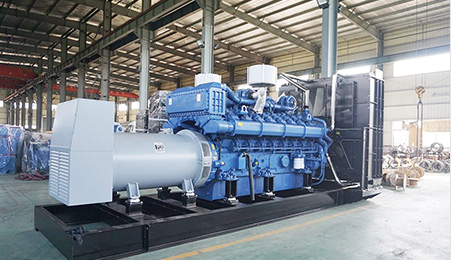
A Yuchai generator set for data center backup power is an engine-driven power system designed to supply electrical energy when the utility supply is interrupted, unstable, or unavailable. It normally combines a Yuchai diesel engine, an alternator, a control system, a base frame, and supporting equipment such as a radiator, fuel system, battery charger, and output circuit breaker. For a data center, the generator set is part of a wider power continuity system that may also include UPS equipment, automatic transfer switches, paralleling switchgear, fuel storage, and monitoring systems. The correct selection depends on verified engine and alternator specifications, the required kW and kVA capacity, the data center’s redundancy design, site conditions, and the responsibilities included in the quotation, installation, commissioning, maintenance, and after-sales support.
A diesel generator set converts the mechanical energy produced by a diesel engine into electrical energy through an alternator. The engine provides the prime mover, while the alternator produces the three-phase electrical output required by the facility. The control panel monitors operating parameters such as voltage, frequency, engine speed, coolant temperature, oil pressure, battery condition, and alarm status. Depending on the configuration, the controller can start the set automatically after receiving a signal from an automatic transfer switch or a supervisory control system.
In a data center application, the generator set normally supports critical loads after the UPS bridges the short interruption between utility failure and generator start-up. The generator may supply the UPS input, cooling equipment, fire and security systems, networking equipment, lighting, and other designated loads. It does not automatically mean that every load in the building should be connected. The electrical engineer must define which loads are critical, how they are grouped, and how the generator system responds when those loads are transferred.
The phrase “Yuchai generator set” describes a set using a Yuchai diesel engine, but the complete unit may include an alternator and control components from other manufacturers. The engine model, alternator model, controller, breaker, enclosure, fuel tank, and other components should be stated clearly in the technical offer. Engine power and alternator output should be checked together because the final generator rating is limited by the complete system, not by the engine name alone.
For export and industrial projects, Nanning Wanjin Mechanical & Electrical supplies Yuchai diesel generator sets according to the project specification. Technical documents should identify the exact engine and alternator models, rated voltage, frequency, phase, output rating, fuel consumption data, dimensions, weight, and applicable operating conditions. These details provide the basis for comparing a proposed configuration with the data center’s electrical design.
Data centers depend on continuous electrical power for information technology equipment, storage systems, network infrastructure, cooling, access control, and monitoring. A utility interruption can cause service disruption, equipment shutdown, data processing errors, or loss of business continuity. The generator set provides the longer-duration backup source required after the UPS batteries reach their operating limit. This makes the generator system an important part of the facility’s power resilience strategy.
Reliability depends on more than the engine’s rated output. The generator must start within the required time, accept the connected load without unacceptable voltage or frequency disturbance, and continue operating for the planned backup duration. It must also work with the UPS, automatic transfer switch, cooling system, and building management or power management system. A configuration that has adequate kW capacity but poor transient performance, insufficient fuel autonomy, or incompatible controls may not meet the actual operating requirement.
Capacity planning is particularly important because data center loads can change as servers, storage equipment, cooling systems, and power distribution units are added. The design should consider the normal running load, the starting characteristics of motors and cooling equipment, the input behavior of UPS systems, harmonic current, and the required reserve margin. The engineer should also assess the difference between real power in kW and apparent power in kVA. kW represents useful active power, while kVA represents the total electrical loading imposed on the alternator. Power factor connects the two values.
Redundancy is another reason to evaluate the complete system. A single generator may be suitable for a small facility or a specific emergency load, while a larger data center may require multiple sets operating in parallel. A redundant arrangement can allow planned maintenance or a unit fault without removing the full backup capacity. The required configuration depends on the facility’s availability objectives, load profile, electrical architecture, maintenance policy, and local regulations. It should not be inferred from the engine brand alone.
The selection process should begin with a detailed load schedule. List the critical loads, their rated kW and kVA, operating voltage, frequency, phase, starting method, and expected expansion. Identify loads that must start immediately, loads that can be delayed, and loads that should be shed during a limited-capacity condition. Include cooling pumps, fans, chillers, ventilation equipment, battery chargers, security systems, and other supporting systems rather than calculating only the IT load.
Next, determine the required generator rating and duty classification. Standby operation is commonly associated with emergency backup service, while prime operation is used where the generator supplies power for extended periods or where utility power is unavailable. The correct rating depends on the project’s operating profile and the manufacturer’s published rating definitions. A supplier should not describe a standby-rated set as suitable for continuous prime service without confirming the relevant technical data.
Compare both kW and kVA ratings. For example, a data center may have a high power factor at steady state but still present a demanding transient load when UPS rectifiers, chillers, pumps, or other equipment start. The generator should be evaluated for voltage dip, frequency response, step-load acceptance, and recovery time. These values should come from the applicable technical documentation or be confirmed through a project-specific test plan. Do not select a unit solely by adding nameplate kW values and applying an unexplained percentage.
The Yuchai engine model should be checked against the required speed, rated power, fuel consumption, cooling method, altitude capability, ambient temperature range, and maintenance intervals. The alternator should be checked for rated output, insulation system, voltage regulation, frequency, short-circuit performance, and compatibility with the connected equipment. Exact performance varies by model and configuration, so the quotation should reference the relevant datasheets rather than using generalized claims.
Control and switching equipment require equal attention. The system may require an automatic transfer switch, manual bypass, synchronizing controls, load sharing, circuit breakers, remote emergency stop, alarms, and communication interfaces. For multiple generator sets, the paralleling system must coordinate starting, synchronization, load sharing, protection, and shutdown. The interface between the generator controller, UPS, transfer switch, and building management system should be documented before production or installation.
Installation planning should cover the generator room or outdoor location, foundation, ventilation, exhaust routing, fuel storage, cable routing, access for maintenance, noise control, fire protection, drainage, and environmental conditions. The site must provide adequate combustion air and radiator airflow while preventing hot-air recirculation. At high altitude or in high ambient temperatures, engine and alternator output may require derating. The final capacity should therefore be based on actual site conditions, not only standard laboratory conditions.
Commissioning should be treated as a technical acceptance process. It may include inspection of mechanical installation, insulation and grounding checks, battery and charger checks, no-load operation, staged load testing, automatic start testing, transfer testing, alarm verification, emergency stop testing, and communication checks. A load bank test can confirm that the generator operates at defined load levels without excessive temperature, unstable frequency, abnormal voltage, or other unacceptable behavior. The test scope should be agreed by the owner, consultant, electrical contractor, and supplier.
The first risk is unclear quotation scope. A generator set price may or may not include the automatic transfer switch, outdoor enclosure, sound attenuation, fuel tank, exhaust components, batteries, cables, synchronization panel, delivery, installation, commissioning, load bank testing, operator training, and spare parts. The commercial offer should separate included and excluded items. It should also state the delivery basis, warranty conditions, documentation package, payment terms, and responsibilities for site preparation.
The second risk is using unverified specifications. Engine standby power, prime power, and fuel consumption should be tied to a specific model and operating condition. Alternator performance, voltage regulation, frequency, and transient response should also be confirmed. If the project requires a particular emissions level, noise limit, enclosure rating, or local electrical compliance condition, those requirements must be reviewed against the destination country and site authority. No certification or compliance claim should be accepted without supporting documentation relevant to the supplied configuration.
Fuel planning is often underestimated. The required autonomy depends on generator load, fuel consumption, storage capacity, refill arrangements, fuel quality, and the expected duration of a utility outage. Diesel storage systems may require filtration, water separation, level monitoring, ventilation, spill control, and periodic fuel management. Long periods of low-load operation can also create maintenance concerns. The operating plan should include appropriate loading, routine inspections, and corrective action for fuel contamination or degradation.
Maintenance must cover the engine, alternator, cooling system, lubrication system, starting batteries, charger, control panel, fuel system, exhaust system, breakers, transfer equipment, and ventilation equipment. Typical tasks include checking fluid levels, replacing filters and lubricants at the specified intervals, testing batteries, inspecting belts and hoses, cleaning radiators, checking connections, and exercising the generator under an appropriate load. The exact schedule should follow the engine and component manufacturers’ instructions and should be adjusted for operating hours and site conditions.
After-sales support should be defined before the order is placed. The project team should know which documents will be supplied, how technical questions are handled, what spare parts are recommended, and who is responsible for troubleshooting during installation and operation. For export projects, it is useful to confirm the availability of remote technical assistance, service procedures, consumable part references, and escalation contacts. Support arrangements should be practical for the destination country and the planned operating environment.
Finally, the generator should be integrated into a documented emergency operating procedure. Operators need clear instructions for automatic and manual modes, fuel checks, alarm response, load transfer, emergency shutdown, and return to utility power. Regular exercises should verify that the generator, UPS, transfer equipment, and monitoring systems work as a coordinated power system. The procedure should also identify who can authorize isolation, maintenance, restart, and load restoration.
A Yuchai generator set for data center backup power should therefore be selected as part of a complete electrical and mechanical design. Verified engine and alternator data, correct kW and kVA calculations, suitable switching and control equipment, professional installation, commissioning tests, and an achievable maintenance plan all contribute to dependable operation. With the technical scope clearly defined, a Yuchai generator set for data center backup power can provide a structured and maintainable source of emergency electricity for industrial and data center applications.
延伸阅读:For Chinese product selection and local support, visitWanjin's Chinese service site.
Browse server-rendered product categories, application solutions, project references and technical articles. These direct links help buyers and search crawlers reach useful pages without relying on JavaScript menus.
Compare equipment families before confirming output, duty, environment and accessories.
Start selection from critical loads, motor starting, operating hours and site derating.
Read project references, company updates and generator-set selection or maintenance articles.
Wanjin supports generator-set sales, configuration checks, quotation, installation coordination, repair and scheduled maintenance.

