


A Yuchai generator set for hospital backup power is a diesel engine, alternator, control system, and associated equipment configured to supply electricity when a hospital's normal source is interrupted. Hospitals depend on power for clinical equipment, lighting, communications, ventilation, water systems, and building controls. The right set is not selected by engine brand or headline kVA alone: it must match the facility's critical loads, transfer arrangements, operating conditions, and project requirements. As an authorized Yuchai dealer supplying generator sets for export and industrial projects, Nanning Wanjin Mechanical & Electrical can support specification and quotation based on the required configuration and verified equipment data.
A standby generator set converts diesel fuel into electrical power during a utility outage or another loss of the normal supply. Its engine provides mechanical energy, the alternator converts that energy into electricity, and the control system monitors operating conditions and coordinates starting and shutdown. Depending on the project design, the set may operate with an automatic transfer switch, switchgear, synchronizing controls, fuel storage, and other balance-of-plant equipment.
In a hospital, backup power is usually part of a wider electrical resilience plan rather than a single machine acting alone. The distribution system determines which loads can receive generator power, how quickly they are transferred, and whether multiple sources or generator sets need to operate together. Emergency lighting, essential clinical areas, medical support systems, and selected building services may have different supply arrangements and restoration priorities. The facility's engineers and electrical designer define these requirements; the generator supplier needs them to select and configure the equipment correctly.
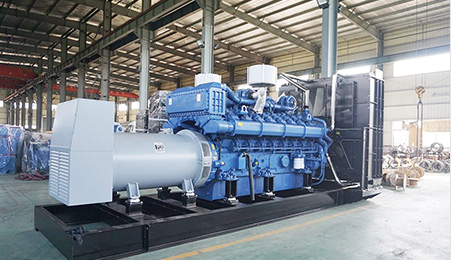
“Yuchai generator set” describes the engine brand, not a complete specification. The final package may include a Yuchai engine paired with an alternator, control panel, base frame, cooling system, starting batteries, and optional enclosure or ancillary equipment. Exact ratings and component selections depend on the model and configuration offered for the project. Buyers should review the proposed datasheets and confirm that the quoted engine and alternator combination meets the required electrical performance.
A power interruption can affect patient care as well as building operation. A generator set helps provide an alternate source for designated loads, reducing dependence on the utility supply alone. Its value depends on whether it starts, accepts the required load, and operates for the required duration under the conditions specified by the project. A generator that is nominally large enough but poorly matched to load behavior or transfer requirements may not deliver the intended resilience.
Hospitals often have loads with different levels of urgency and different electrical characteristics. Some equipment may draw a high starting current; other loads may be sensitive to voltage or frequency changes. Ventilation, pumps, elevators, imaging equipment, and information technology systems can also have operating constraints. These characteristics influence generator sizing, sequencing, and the choice of transfer and control equipment. A load schedule prepared by the facility's electrical team is therefore more useful than an estimate based only on total building floor area or connected load.
Reliability also involves the supporting systems around the set. Fuel quality and usable fuel capacity affect runtime; battery condition affects starting; cooling and ventilation affect sustained operation; and maintenance access affects serviceability. The room or enclosure must accommodate exhaust routing, airflow, heat rejection, noise limits, and safe access. For export projects, transport, site conditions, local electrical requirements, and the availability of qualified service personnel should be considered during planning, not after equipment arrives.
Generator selection should follow applicable local codes, healthcare facility requirements, and the project's engineering design. Requirements differ by jurisdiction and facility classification. A supplier can provide equipment data and clarify the proposed scope, but the hospital owner and responsible design professionals must establish the applicable standards, redundancy strategy, and acceptance criteria.
Start with the loads that the generator is expected to serve. Identify essential circuits, their real and apparent power, power factor, starting method, operating sequence, and any loads that can be shed. Account for both steady-state demand and transient events, such as motors starting or large loads being connected. Where the project has multiple operating scenarios, size against the applicable combination of loads rather than adding every nameplate rating without analysis.
Distinguish kilowatts (kW) from kilovolt-amperes (kVA). kW represents real power, while kVA represents apparent power; the relationship depends on power factor. A generator's published rating must also be interpreted according to its stated duty, operating conditions, and rating standard. Standby and prime ratings are not interchangeable. Confirm the required rating, voltage, frequency, phase, power factor, ambient temperature, altitude, and any derating assumptions against the project conditions and the specific engine-alternator datasheets.
Consider how the generator will connect to the hospital's electrical system. The specification should state whether the set is intended for open-transition transfer, closed-transition operation, parallel operation, or another arrangement designed by the electrical engineer. Define transfer equipment, control interfaces, remote alarms, start signals, and any required load sequencing. If more than one generator is proposed, clarify synchronization, load sharing, redundancy, and what happens when one unit is unavailable. These are system-level decisions and should be coordinated with the switchgear and controls supplier.
Compare complete, documented configurations rather than engine labels alone. Request the engine and alternator model information, output ratings, control-system details, standard and optional equipment, and the stated scope of supply. Verify that the alternator's voltage regulation and transient performance suit the loads, and confirm what is included for batteries, chargers, circuit breakers, silencers, enclosures, fuel connections, and monitoring. If a requirement is not shown in the quotation or datasheets, treat it as unconfirmed until the supplier clarifies it in writing.
A useful request for quotation includes the load schedule, required kW and kVA, voltage and frequency, duty rating, site altitude and ambient temperature, expected runtime, transfer arrangement, indoor or outdoor installation details, noise limits, exhaust requirements, and delivery destination. It should also identify whether installation, commissioning, operator training, or ongoing maintenance is expected from the supplier or another contractor. This information helps produce a comparable quotation and reduces uncertainty about exclusions.
Installation planning should cover the foundation, equipment access, lifting route, ventilation, cooling airflow, exhaust discharge, fuel storage and piping, drainage, earthing, and electrical protection. Exhaust and fuel systems must follow the applicable safety and environmental requirements. The generator room or enclosure needs enough clearance for inspection and maintenance, with airflow designed for the selected equipment and site conditions. Confirm dimensions, connection points, and service clearances from the approved drawings before preparing the site.
Commissioning should verify the complete power path, not only that the engine starts. Depending on the project scope and acceptance plan, checks can include control settings, alarms and shutdowns, transfer-switch operation, electrical connections, phase sequence, voltage and frequency, protection settings, and operation under an appropriate load. Load-bank testing or testing with facility loads should be coordinated by qualified personnel to avoid disruption to clinical services. Results, settings, and unresolved items should be recorded for the owner and service team.
Maintenance needs to follow the engine and alternator manufacturers' instructions, the operating environment, and the facility's maintenance plan. Routine attention commonly includes inspection of fluids and filters, batteries and charging, belts and hoses, cooling, fuel condition, leaks, electrical connections, alarms, and exercise-test records. The exact intervals and procedures must be confirmed for the supplied models; they should not be assumed from a generic schedule. Hospitals should also define who is responsible for routine checks, corrective work, consumables, and keeping maintenance records.
Before accepting a quotation, clarify the boundaries of after-sales support. Confirm which commissioning or technical services are included, what information is supplied with the equipment, how service requests are handled, and whether parts or technicians are available for the project location. Do not assume a particular response time, local branch, certification, or stock availability unless it is explicitly documented. For international projects, agree on shipping scope, installation responsibilities, documentation language, and the division of work between the generator supplier and local contractors.
A Yuchai generator set for hospital backup power is most effective when its rating, controls, transfer equipment, fuel system, installation, and maintenance plan are designed as one coordinated solution. Begin with the hospital's critical-load requirements, verify the proposed engine and alternator data, and define the supply and service scope in writing. This approach gives the project team a practical basis for comparing quotations and confirming that the selected equipment fits the site's electrical and operational needs.
Browse server-rendered product categories, application solutions, project references and technical articles. These direct links help buyers and search crawlers reach useful pages without relying on JavaScript menus.
Compare equipment families before confirming output, duty, environment and accessories.
Start selection from critical loads, motor starting, operating hours and site derating.
Read project references, company updates and generator-set selection or maintenance articles.
Wanjin supports generator-set sales, configuration checks, quotation, installation coordination, repair and scheduled maintenance.

