


Modern aquaculture operations rely heavily on uninterrupted electrical power to sustain aquatic life, drive intensive biological filtration, and maintain precise environmental parameters across ponds, hatcheries, and recirculating aquaculture systems (RAS). In these high-density farming environments, a sudden grid outage can cause dissolved oxygen levels to crash within minutes, risking complete biological stock mortality. A Yuchai generator set for aquaculture facilities serves as a dependable prime or standby power source engineered to handle inductive motor loads, high starting currents, and the continuous thermal and mechanical stress typical of agricultural power generation. Supplied through authorized channels such as Nanning Wanjin Mechanical & Electrical, these generator sets integrate heavy-duty Yuchai diesel engines with industrial-grade alternators to provide steady voltage, high transient load acceptance, and consistent fuel economy across demanding commercial duty cycles.
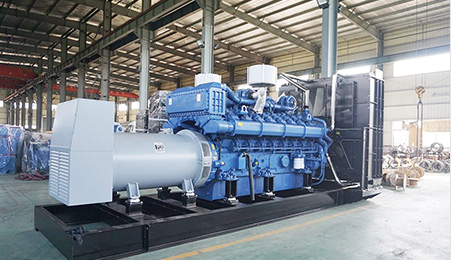
A Yuchai generator set for aquaculture facilities is an integrated power generation system designed to convert diesel fuel energy into continuous electrical power suited for remote coastal or inland farming sites. At its core, the system utilizes a multi-cylinder, four-stroke Yuchai diesel engine equipped with direct fuel injection, turbocharging, and charge-air cooling. These engines are engineered for high torque output at low-to-medium rotational speeds, providing the mechanical reserve necessary to absorb sudden step loads when heavy water pumps and paddlewheel aerators engage simultaneously. The engine is coupled directly via a flexible disc coupling to a brushless, four-pole synchronous alternator featuring an automatic voltage regulator (AVR) capable of sustaining stable output under fluctuating reactive loads.
In intensive aquaculture facilities, electrical architecture is rarely balanced or static. Power demand shifts based on feeding schedules, weather-driven oxygen depletion, water turnover cycles, and diurnal temperature changes. Yuchai diesel generating sets incorporate digital control modules that continuously monitor key operating parameters such as oil pressure, coolant temperature, engine speed, line voltage, and frequency. When paired with an automatic transfer switch (ATS), the generator set detects utility power degradation or total grid failure, executes an automated start cycle, reaches rated speed and voltage within ten seconds, and assumes the farm's critical biological load without requiring manual human intervention.
The operational resilience of these units originates from Yuchai’s robust cylinder block metallurgy and wet cylinder liner designs, which facilitate uniform heat dissipation during continuous multi-hour runs. For aquaculture enterprises operating off-grid or along weak rural distribution feeders, these generator sets serve not merely as emergency equipment, but as primary power units capable of delivering thousands of operational hours between major overhaul intervals, provided scheduled fluid and filter maintenance protocols are strictly observed.
The biological density of commercial fish, shrimp, and shellfish facilities creates a narrow margin of operational tolerance. In super-intensive shrimp raceways or commercial salmon hatcheries, biomass density requires continuous mechanical aeration to maintain dissolved oxygen concentrations above critical thresholds. If aeration stops, biological respiration rapidly exhausts the available dissolved oxygen, leading to mass asphyxiation within an hour. Auxiliary systems such as bio-filters, UV sterilizers, ozone generators, automatic feeders, and monitoring telemetry also depend on continuous electrical power. Consequently, power failure represents one of the most severe financial and operational risks in commercial aquaculture.
Inductive electrical loads represent another major engineering challenge in aquaculture facilities. Aeration devices, deep-well submersible supply pumps, and water circulation blowers utilize induction motors that draw starting currents five to seven times higher than their rated full-load current. When several large motors restart simultaneously after a power disruption, the resulting inrush current causes severe transient voltage drops across weak generators. Yuchai engines deliver rapid governor response and robust low-end torque, minimizing engine speed droop during sudden load steps, while the paired alternators provide adequate motor-starting kVA capacity to prevent nuisance controller tripping and equipment stalling.
Furthermore, operational reliability directly impacts farm biosecurity and water chemistry. In closed recirculating systems, carbon dioxide stripping, ammonia degassing, and biological conversion of nitrites to nitrates require active water movement. A prolonged outage not only threatens immediate fish health through hypoxia, but also causes biological filter media to become anaerobic, producing toxic hydrogen sulfide and destroying months of beneficial bacterial colonies. A dedicated industrial generator set eliminates these systemic biological risks by maintaining continuous life-support system operation regardless of public grid availability.
Correctly sizing a Yuchai generator set for aquaculture facilities requires a comprehensive assessment of connected running loads, peak motor starting currents, duty cycles, and environmental derating factors. Generator capacity must never be calculated purely on the total running wattage (kW) of connected equipment. Facilities must evaluate apparent power (kVA) and calculate the locked-rotor kVA of the largest motors starting across-the-line, or implement soft-starters and variable frequency drives (VFDs) to mitigate peak inrush demand. Overlooking motor starting parameters often leads to undersized generator sets that suffer from excessive voltage dips and engine bogging during load acceptance.
Engine-alternator matching is equally dependent on the operational classification: standby (emergency backup) versus prime (continuous main power). Standby applications permit intermittent variable-load operation for the duration of a utility outage, typically rated with an average load factor of up to seventy percent over twenty-four hours. Prime power applications, common in off-grid aquaculture concessions or island farming operations, require the generator set to provide continuous, variable-load power with a ten percent overload capability for one hour in every twelve-hour operational window. Authorized distributors like Nanning Wanjin Mechanical & Electrical evaluate these duty profiles to specify the appropriate Yuchai engine displacement and alternator thermal class for the intended installation.
Environmental conditions at the aquaculture site introduce critical derating variables that affect engine and alternator output. Elevated ambient temperatures reduce the density of intake air, decreasing the oxygen mass available for combustion and leading to power derating. Similarly, high relative humidity and altitude above sea level further reduce output capacity. A generator rated for one hundred kilowatts under standard ISO test conditions may only deliver ninety kilowatts in an equatorial coastal environment where ambient temperatures exceed forty degrees Celsius. Sizing calculations must include these site-specific deratings to ensure the installed equipment reliably meets actual farm demand under the harshest seasonal conditions.
Aquaculture facilities typically operate a mixture of three-phase industrial loads (large aerator banks, intake pumps, cold storage refrigeration compressors) and single-phase auxiliary loads (lighting, security, laboratory instrumentation, domestic circuits). Careful
延伸阅读:For Chinese product selection and local support, visitWanjin's Chinese service site.
Browse server-rendered product categories, application solutions, project references and technical articles. These direct links help buyers and search crawlers reach useful pages without relying on JavaScript menus.
Compare equipment families before confirming output, duty, environment and accessories.
Start selection from critical loads, motor starting, operating hours and site derating.
Read project references, company updates and generator-set selection or maintenance articles.
Wanjin supports generator-set sales, configuration checks, quotation, installation coordination, repair and scheduled maintenance.

