


A Yuchai generator set for mining operations is a diesel-powered system that combines a Yuchai engine, an alternator, control equipment, and supporting components to supply electrical power at a mine. It may serve as a primary source at a remote site, support loads during grid interruptions, or provide temporary power during construction and expansion. The right specification depends on the site’s operating conditions and electrical loads, not simply on a headline kW or kVA figure. Buyers should assess starting demand, altitude, ambient temperature, duty cycle, fuel arrangements, installation conditions, and the scope of supplier support before comparing quotations.
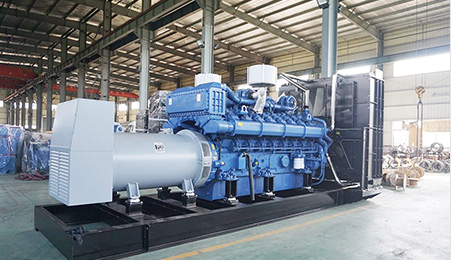
A generator set converts mechanical energy from a diesel engine into electrical energy through an alternator. A complete supply may also include a controller, base frame, cooling system, fuel connections, batteries, and protective equipment. The exact configuration varies by model and quotation, so buyers should confirm which components are included rather than assume that every set is supplied with the same accessories or enclosure.
At a mine, generator sets can serve different roles. A site may use them as the main power source where utility supply is unavailable, as standby equipment for critical loads, or as part of a temporary power arrangement for exploration, development, or construction. These roles involve different operating hours and reliability requirements. A standby unit may run infrequently, while a prime-power set can face sustained loading and regular maintenance intervals.
Mining loads can include pumps, ventilation fans, compressors, lighting, processing equipment, workshops, and accommodation facilities. Their combined running demand is only part of the sizing picture. Motors and other inductive loads can draw substantially higher current during startup, and several loads may start close together. Buyers should identify which equipment must operate simultaneously and which loads can be sequenced or shed.
An undersized set may struggle with motor starting, voltage and frequency stability, or simultaneous demand. Repeated overloads can disrupt production and increase operating stress. An oversized set is not automatically a better choice: if it runs for long periods at very light load, operating efficiency and engine health may be affected. Proper sizing balances running demand, transient loads, operating profile, and any planned capacity margin.
Site conditions also affect available generator output and operating suitability. High altitude, elevated ambient temperature, restricted ventilation, dust, and harsh weather can influence engine cooling and equipment performance. Derating requirements are model-specific. Ask the supplier to confirm the applicable engine and alternator ratings for the intended site elevation and temperature, using the relevant manufacturer data rather than a generic adjustment.
Electrical compatibility is equally important. The set must match the project’s voltage, frequency, phase arrangement, grounding design, and expected load characteristics. For a mine with several generators or a connection to another power source, control and synchronization requirements should be defined before equipment is selected. The project’s electrical engineer should verify protection, switching, and integration arrangements.
Begin with a load schedule. Record each major load’s rated kW or kVA, power factor where available, motor starting method, starting current, duty cycle, and operating priority. Separate continuous loads from intermittent ones and identify the largest motor or process step that may start while other equipment is running. This information gives the supplier a defensible basis for calculating both normal demand and starting performance.
Check units and ratings carefully. kW measures real power, while kVA measures apparent power; the relationship depends on power factor. A generator’s stated kW and kVA ratings should be read together with their specified power factor and rating category. Confirm whether the quotation describes standby, prime, or another duty rating, and make sure it aligns with the site’s expected hours and loading pattern.
Next, establish the engine and alternator configuration from the exact model documentation. Ask for the Yuchai engine model, rated output, speed, fuel consumption data at stated loads, cooling arrangement, and the alternator make and model. Confirm output voltage, frequency, phase, insulation and protection details, and control-panel functions against project requirements. Do not rely on a model family name or a general brochure when a project needs exact technical values.
Specify the operating environment and installation constraints. Share the site elevation, expected temperature range, dust exposure, ventilation arrangement, available floor space, fuel storage plan, and any transport limits. Discuss whether the set will be installed indoors or outdoors and whether an enclosure, exhaust arrangement, remote monitoring, or additional protective measures are required. These items should be described in the quotation so that the supplied configuration can be checked against the site design.
For export projects, clarify logistics and documentation early. Confirm destination voltage and frequency, applicable import requirements, packing method, delivery basis, and the documents the supplier can provide. Agree on the quotation scope, including generator set configuration, accessories, testing records if applicable, spare parts, manuals, warranty terms, and any commissioning or technical support. Requirements vary by destination and contract; verify them with the importer and project team rather than assuming that a specific certification or document is included.
A frequent mistake is selecting a set solely by adding the running kW of connected equipment. That can overlook motor-starting demand, power factor, load sequence, and the possibility that several loads operate together. Another is using a quoted standby rating for a site that expects extended prime-power operation. Both problems can be reduced by giving the supplier a complete load schedule and clearly stating the intended duty.
Buyers also sometimes compare quotations that do not describe the same product or scope. One offer may include a particular alternator, controller, enclosure, or commissioning service, while another may exclude it. Compare the engine and alternator models, ratings, included accessories, testing, delivery terms, warranty coverage, and technical support line by line. Request written clarification where a specification is missing.
Before placing an order, confirm the following with the supplier and project team:
• Intended operating role, annual running hours, and rating category
• Load schedule, motor-starting requirements, power factor, and load sequencing
• Required kW and kVA, voltage, frequency, phase, and grounding arrangement
• Engine and alternator model details, controller functions, and protection requirements
• Site elevation, temperature, dust, ventilation, installation, and fuel conditions
• Included accessories, documentation, testing scope, spare parts, warranty, and support
• Delivery terms, packing, destination requirements, and responsibility for installation
Keep assumptions visible in the purchase specification. If a final load list, site survey, or electrical design is not yet available, record what remains provisional and how changes may affect capacity, configuration, price, or delivery. This reduces the risk of treating an early budget quotation as a final engineered selection.
Installation planning should cover the foundation, access for service, ventilation and heat rejection, exhaust routing, fuel supply, electrical connections, earthing, and protection coordination. The generator location must allow safe operation and routine inspection. The project team should confirm local electrical, environmental, and workplace requirements before installation; the equipment quotation alone does not replace site engineering.
Commissioning should follow the applicable manufacturer instructions and project procedures. Before operation, verify connections, fluid levels, cooling and fuel systems, controller settings, protective devices, and the intended load-transfer arrangement. Functional checks and load testing should be agreed in advance, including who performs them and what records will be supplied. Any commissioning scope included in a quotation should state its limits and site responsibilities.
Maintenance planning should reflect the specific engine documentation, operating hours, fuel quality, load profile, and site conditions. Dusty environments may require closer attention to air filtration and cooling surfaces. Keep service records, monitor alarms and operating parameters, and arrange suitable consumables and replacement parts according to the manufacturer’s schedule. Confirm parts availability and the process for technical assistance with the supplier before deployment, particularly when the mine is remote.
A reliable procurement decision combines verified equipment data with a realistic view of site demand and support responsibilities. By defining the duty, checking starting loads, accounting for environmental conditions, and comparing complete quotations, buyers can select a Yuchai generator set for mining operations that is aligned with the project’s electrical and operating requirements. Clear installation, commissioning, and maintenance arrangements then help the site put that specification into practice.
Browse server-rendered product categories, application solutions, project references and technical articles. These direct links help buyers and search crawlers reach useful pages without relying on JavaScript menus.
Compare equipment families before confirming output, duty, environment and accessories.
Start selection from critical loads, motor starting, operating hours and site derating.
Read project references, company updates and generator-set selection or maintenance articles.
Wanjin supports generator-set sales, configuration checks, quotation, installation coordination, repair and scheduled maintenance.

