


A diesel generator wholesale supplier OEM represents a manufacturer or authorized distributor that produces or sources diesel generator sets under original equipment manufacturer standards for bulk procurement. Unlike retail distributors, these suppliers operate at the production or first-tier distribution level, offering generator sets in volume quantities with customization options, white-labeling capabilities, and direct factory pricing structures. The OEM designation indicates that the supplier either manufactures the equipment directly or maintains authorized partnerships with primary manufacturers, ensuring access to genuine components, technical documentation, and warranty support that meets original design specifications.
In the B2B procurement landscape, diesel generator wholesale supplier OEM relationships typically involve minimum order quantities, long-term supply agreements, and technical collaboration for product specifications. These suppliers serve industrial clients, construction companies, data centers, healthcare facilities, and resellers who require consistent quality, regulatory compliance documentation, and after-sales technical support. The wholesale model enables buyers to achieve better unit economics while securing supply chain stability for critical power infrastructure projects across single or multiple deployment sites.
Direct engagement with a diesel generator wholesale supplier OEM eliminates intermediary markup layers that can increase total acquisition costs by 15-30% compared to multi-tier distribution channels. Factory-direct pricing structures provide transparency in cost breakdowns for engine components, alternator systems, control panels, and enclosure materials, allowing procurement teams to negotiate based on actual production costs rather than distributor margins. For organizations deploying multiple generator sets across facilities or project sites, these savings compound significantly, improving capital expenditure efficiency and enabling budget reallocation to installation, maintenance infrastructure, or extended warranty coverage.
Beyond cost advantages, OEM supplier relationships provide access to technical expertise and customization capabilities unavailable through standard distribution channels. Authorized diesel generator wholesale supplier OEM partners maintain engineering teams familiar with specific engine platforms, fuel system configurations, and environmental compliance requirements across different regional markets. This technical depth enables specification adjustments for altitude compensation, tropical climate operation, seismic zone installations, or integration with building management systems. OEM suppliers also provide factory training for maintenance personnel, spare parts forecasting based on operational profiles, and direct communication channels with design engineers when troubleshooting complex technical issues.
Supply chain reliability represents another critical factor in OEM supplier selection. Direct manufacturer relationships ensure priority allocation during component shortages, faster lead times for custom configurations, and consistent quality control through factory production oversight. When dealing with critical infrastructure applications where generator failure can result in operational shutdowns, data loss, or safety hazards, the assurance of genuine components and factory-backed warranties becomes a risk management requirement rather than a procurement preference. A qualified diesel generator wholesale supplier OEM maintains inventory buffers, production capacity visibility, and logistics coordination that supports predictable project timelines and deployment schedules.
Verification of manufacturer authorization represents the foundational step in diesel generator wholesale supplier OEM evaluation. Request official documentation confirming the supplier's authorized dealer status, including manufacturer appointment letters, distribution agreements, and regional territory rights. Cross-reference these credentials directly with the engine manufacturer's corporate headquarters or regional offices to confirm legitimacy and standing. Genuine OEM suppliers maintain transparent relationships with their principal manufacturers and readily provide verification channels without hesitation or delay. This validation protects against counterfeit components, grey market equipment, and unauthorized modifications that void warranties and compromise performance reliability.
Technical capability assessment requires examining the supplier's engineering support infrastructure, not just their product catalog. Evaluate whether the diesel generator wholesale supplier OEM employs certified technicians trained by the engine manufacturer, maintains ISO-certified quality management systems, and operates testing facilities for load bank validation and commissioning procedures. Request case studies demonstrating successful deployments in applications similar to your requirements, including power output ranges, environmental conditions, and operational duty cycles. Review their documentation standards for operation manuals, maintenance schedules, wiring diagrams, and compliance certificates required for building permits and insurance coverage. Suppliers with comprehensive technical capabilities reduce project risk and total cost of ownership through proper specification, installation guidance, and lifecycle support.
Financial stability and business continuity planning should factor into long-term supplier selection decisions. Investigate the company's operational history, financial health indicators, and capacity to fulfill multi-year supply agreements or large-volume orders. A reliable diesel generator wholesale supplier OEM demonstrates financial transparency through credit references, banking relationships, and trade association memberships. Assess their inventory management practices, including safety stock levels for common spare parts, lead time commitments for standard configurations, and contingency plans for supply chain disruptions. Establish clear contractual terms covering payment structures, delivery schedules, warranty administration, and dispute resolution mechanisms that protect both parties' interests throughout the procurement relationship.
During the evaluation process, direct specific technical and commercial questions to potential suppliers to gauge their expertise and capabilities. Inquire about their fuel consumption curves at various load percentages, engine overhaul intervals based on operational hours, and compatibility with alternative fuel blends if applicable to your market. Question their experience with regulatory compliance in your jurisdiction, including emissions certifications, noise level testing, and electrical safety standards. Request detailed breakdowns of warranty coverage terms, including what components are covered, labor provisions, response time commitments for service calls, and procedures for warranty claim processing.
Commercial terms inquiry should address minimum order quantities, volume-based pricing tiers, payment terms for international transactions, and currency risk management options. Ask about their after-sales support structure, including spare parts availability timelines, technical hotline coverage hours, field service capabilities, and training programs for customer maintenance teams. Understanding these operational details before commitment enables informed decision-making and sets appropriate expectations for the working relationship with your chosen diesel generator wholesale supplier OEM partner.
Engine platform specifications form the core of diesel generator quality assessment. Verify the engine manufacturer's reputation, production volume, and global installed base for the specific engine model proposed. Industrial-grade engines from established manufacturers like Yuchai, Cummins, Perkins, or MTU incorporate robust metallurgy, advanced fuel injection systems, and comprehensive diagnostic capabilities that consumer-grade or rebranded engines lack. Request detailed engine specification sheets showing displacement, compression ratio, fuel consumption at various loads, emissions compliance certifications, and expected operational lifespan. A reputable diesel generator wholesale supplier OEM provides complete transparency on engine sourcing and maintains consistent specifications across production batches rather than substituting components based on availability.
Alternator quality significantly impacts generator performance, efficiency, and reliability under varying load conditions. Examine the alternator manufacturer's credentials, winding insulation class, voltage regulation accuracy, harmonic distortion levels, and protection features against short circuits or overloads. Brushless alternators with permanent magnet excitation systems offer superior reliability and require less maintenance than brush-type designs. Verify that alternator ratings match engine power output with appropriate derating factors for continuous operation, high altitude installations, or elevated ambient temperatures. Quality alternators maintain voltage stability within ±1% under sudden load changes and incorporate temperature monitoring to prevent overheating damage during sustained high-load operation.
Control system sophistication determines operational convenience, monitoring capabilities, and integration potential with facility management systems. Modern diesel generators incorporate digital controllers providing remote monitoring via ethernet or cellular connections, automated startup sequences, comprehensive alarm management, and data logging for maintenance scheduling. Evaluate whether the control panel meets your automation requirements, including automatic transfer switch compatibility, load sharing capabilities for parallel operation, and programmable logic for complex operational scenarios. A professional diesel generator wholesale supplier OEM specifies controller brands and firmware versions, provides programming documentation, and ensures spare controller availability for critical applications requiring immediate replacement capability.
Regulatory compliance verification requires systematic review of applicable standards and certification documentation. For international procurements, confirm that generators meet ISO 8528 standards covering performance definitions, test methods, and design requirements. Regional markets impose additional requirements such as EPA emissions tiers in North America, EU Stage V in Europe, or local environmental regulations in emerging markets. Request certified test reports from independent laboratories demonstrating compliance with noise emission limits, exhaust emissions levels, and electromagnetic compatibility standards. These certifications should bear authentic laboratory seals, test dates, and specific model identification matching your procurement specifications.
Factory acceptance testing protocols should be established with your diesel generator wholesale supplier OEM before production commitment. Define load bank testing procedures, duration of full-load operation, measurement criteria for fuel consumption and exhaust temperatures, and acceptance tolerances for voltage regulation and frequency stability. Document these requirements in purchase agreements to ensure delivered equipment meets operational expectations without ambiguity. Quality-focused suppliers welcome comprehensive testing protocols as they demonstrate confidence in their manufacturing standards and reduce post-delivery disputes over performance discrepancies.
Specification ambiguity represents one of the most frequent sources of supplier relationship problems and post-delivery disappointment. Generic power rating requests without defining continuous versus standby power classifications, ambient temperature assumptions, or altitude derating requirements lead to undersized equipment selection. Prime power ratings indicate maximum continuous output for variable loads with occasional peak capacity, while standby ratings apply to emergency backup scenarios with limited annual operating hours. A 500 kVA generator rated for standby duty may only deliver 450 kVA continuously, creating capacity shortfalls if the application demands constant operation. Work with your diesel generator wholesale supplier OEM to document precise operating profiles, load characteristics, and environmental conditions to ensure accurate specification and avoid costly replacement scenarios.
Total cost of ownership calculations often focus exclusively on initial purchase price while neglecting fuel efficiency differences, maintenance intervals, and spare parts pricing that significantly impact long-term economics. A generator with 10% lower acquisition cost but 8% higher fuel consumption will cost substantially more over a 10-year operational lifespan, particularly for applications with extensive runtime requirements. Similarly, engines requiring oil changes every 250 hours versus 500 hours double maintenance labor and consumables expenses. Request lifecycle cost analyses from potential suppliers comparing fuel consumption curves, maintenance schedules, major overhaul intervals, and typical spare parts pricing to make informed economic decisions beyond simple purchase price comparisons.
Inadequate after-sales support infrastructure creates operational vulnerabilities when technical issues arise or routine maintenance becomes due. Verify that your selected diesel generator wholesale supplier OEM maintains local or regional service capabilities rather than relying solely on remote technical support for complex mechanical or electrical diagnostics. Confirm spare parts inventory locations, typical delivery timeframes for common replacement components, and escalation procedures for urgent failure scenarios requiring immediate attention. Establish service level agreements defining response times, technician qualifications, and warranty claim processing timelines before purchase commitment. Suppliers lacking robust after-sales infrastructure may offer attractive pricing but expose buyers to extended downtime risks and higher total support costs when operational issues inevitably occur.
Cross-border procurement from diesel generator wholesale supplier OEM partners introduces communication complexities that require proactive management. Language barriers, time zone differences, and varying business practices can create misunderstandings regarding specifications, delivery schedules, or payment terms. Establish clear communication protocols using written confirmations for all technical discussions, specification changes, and commercial agreements. Utilize technical drawings, photographs, and standardized terminology to reduce interpretation errors. When significant language gaps exist, engage professional technical translators familiar with power generation equipment rather than relying on general translation services lacking industry-specific vocabulary.
Payment security and quality assurance mechanisms become particularly important in international transactions. Structure payment milestones tied to verifiable completion stages such as production commencement, factory testing completion, and pre-shipment inspection rather than full advance payment. Consider third-party inspection services to verify equipment compliance with purchase specifications before shipment authorization. Escrow arrangements or letters of credit provide financial protection for both buyers and suppliers in international transactions, reducing counterparty risk while demonstrating commitment to contractual obligations. Professional diesel generator wholesale supplier OEM organizations accommodate these commercial safeguards as standard business practice for international clients, understanding that risk mitigation measures ultimately strengthen long-term business relationships.
Successfully sourcing from diesel generator wholesale supplier OEM partners requires systematic evaluation of technical capabilities, commercial terms, and support infrastructure beyond simple price comparisons. Organizations that invest effort in comprehensive supplier assessment, clear specification documentation, and structured quality verification protocols achieve superior outcomes in equipment performance, lifecycle costs, and operational reliability. The foundation for successful procurement lies in establishing relationships with authorized suppliers who demonstrate technical expertise, manufacturing transparency, and commitment to long-term customer success rather than transactional equipment sales.
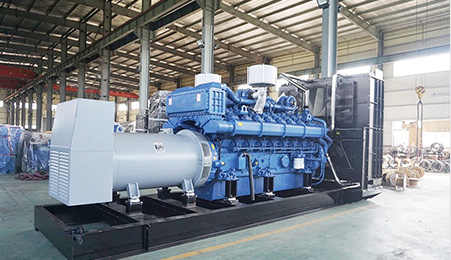
Browse server-rendered product categories, application solutions, project references and technical articles. These direct links help buyers and search crawlers reach useful pages without relying on JavaScript menus.
Compare equipment families before confirming output, duty, environment and accessories.
Start selection from critical loads, motor starting, operating hours and site derating.
Read project references, company updates and generator-set selection or maintenance articles.
Wanjin supports generator-set sales, configuration checks, quotation, installation coordination, repair and scheduled maintenance.

