

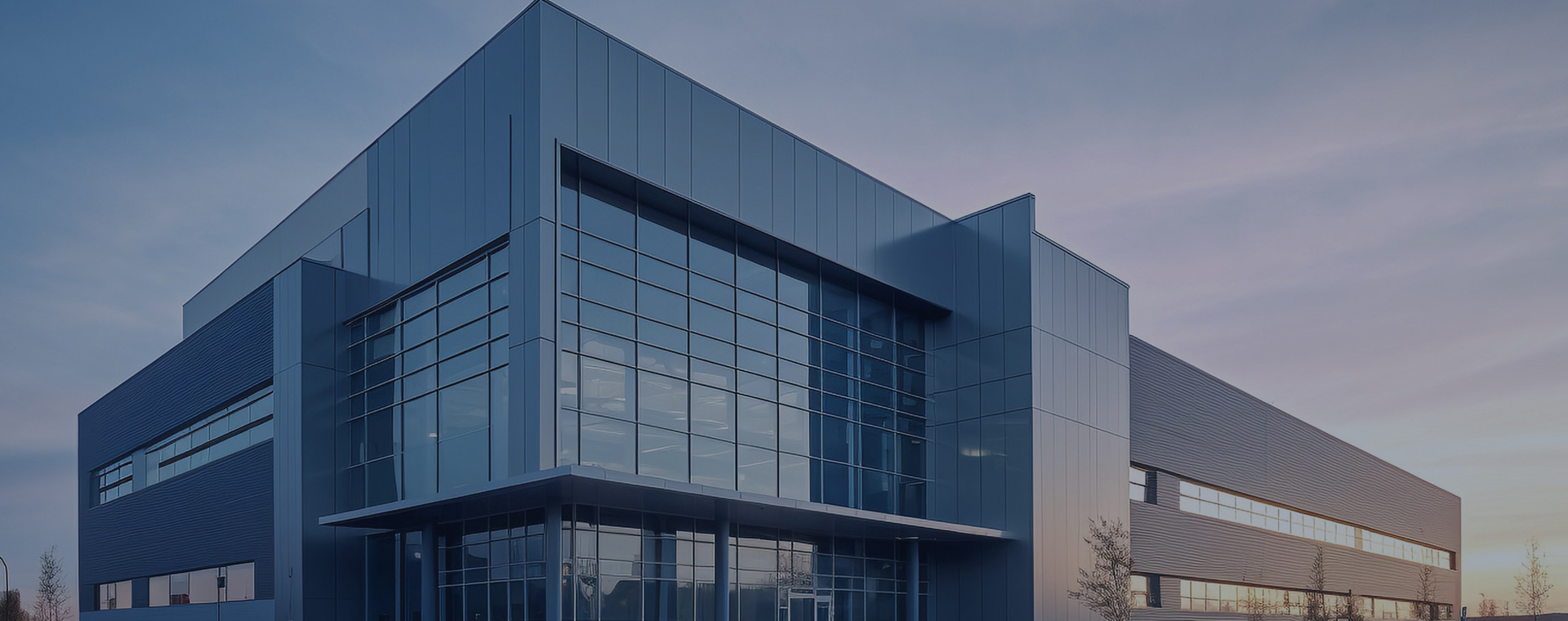
A diesel generator wholesale supplier operates under one of two primary business models: Original Equipment Manufacturer (OEM) or authorized dealer. Understanding this distinction is critical for procurement managers, distributors, and project contractors who source power generation equipment at scale. An OEM directly manufactures diesel generators under their own brand or produces units for third-party brands, controlling the entire production process from design to assembly. An authorized dealer, by contrast, is officially appointed by the manufacturer to distribute genuine products within specific territories, maintaining direct factory relationships without engaging in production themselves.
The choice between sourcing from a diesel generator wholesale supplier OEM versus an authorized dealer affects multiple dimensions of your procurement strategy: pricing structures, technical support availability, parts inventory depth, warranty enforcement, and long-term service commitments. For B2B buyers managing power infrastructure projects or building distribution networks, this decision influences not only immediate procurement costs but also operational reliability over the equipment's 15-20 year service life. The distinction becomes particularly significant when dealing with industrial-grade units ranging from 50kW to 2000kW, where component quality and service continuity directly impact project timelines and client satisfaction.
OEM suppliers maintain complete control over manufacturing specifications, component sourcing, and quality assurance protocols. They operate production facilities with dedicated engineering teams, allowing customization of generator configurations, control systems, and enclosure designs based on client requirements. When you source from a diesel generator wholesale supplier OEM, you typically access lower unit costs due to the elimination of intermediary margins, particularly for bulk orders exceeding 10-20 units. OEMs can modify standard designs to accommodate specific voltage requirements, frequency standards, or environmental conditions without requiring third-party approvals. However, this manufacturing focus often means OEMs allocate fewer resources to localized technical support, spare parts distribution networks, and hands-on installation assistance in regional markets.
Authorized dealers specialize in distribution efficiency and customer service infrastructure rather than production capabilities. These entities hold official appointments from manufacturers like Yuchai, Cummins, or Perkins, granting them access to genuine parts inventories, factory training programs, and technical documentation. The authorized dealer model excels in providing localized support through regional service centers, maintaining ready stock of critical replacement components, and offering installation commissioning services backed by manufacturer warranties. While unit prices from authorized dealers typically include distribution margins of 15-25% above factory gate prices, buyers gain immediate access to technical expertise, faster parts delivery, and warranty claims processing through established factory channels. For projects requiring rapid deployment or ongoing maintenance contracts, these service advantages often outweigh the initial price differential.
The legal and contractual frameworks also differ substantially. OEM relationships generally involve direct purchase agreements with negotiable payment terms, minimum order quantities, and customization clauses. Authorized dealers operate under manufacturer-imposed guidelines regarding pricing structures, territorial exclusivity, and service level commitments. This means dealers cannot arbitrarily discount below manufacturer-set thresholds but provide standardized service quality across their network. For multinational projects requiring consistent specifications and support across different countries, authorized dealer networks offer coordination advantages that individual OEM relationships cannot easily replicate.
Your procurement volume and frequency should guide the initial decision framework. Operations requiring continuous equipment supply exceeding 50 units annually with standardized specifications favor direct OEM relationships. The volume justifies establishing dedicated communication channels with factory engineering teams and negotiating volume-based pricing tiers. Manufacturing facilities, data center developers, and large-scale infrastructure contractors typically benefit from OEM partnerships when they maintain in-house technical teams capable of handling installation and routine maintenance without external support. The cost savings compound significantly across multiple projects, particularly when specifications remain consistent across orders.
Conversely, businesses with variable procurement patterns, distributed project locations, or limited internal technical capabilities gain substantial value from authorized dealer relationships. Regional distributors serving local markets, rental equipment operators, and contractors managing diverse client requirements across different industries typically find the dealer model more practical. The flexibility to purchase single units or small batches without minimum order commitments, combined with accessible local support, reduces inventory carrying costs and project risk. When evaluating a diesel generator wholesale supplier OEM versus dealer option, assess your organization's service infrastructure honestly—authorized dealers effectively outsource technical support, parts management, and warranty administration that would otherwise require dedicated internal resources.
Technical customization requirements represent another critical decision factor. Projects demanding non-standard configurations such as unusual voltage outputs, specialized control systems, marine-grade corrosion protection, or integration with specific building management systems require OEM engagement. Standard industrial applications using common voltage configurations (400V/50Hz or 480V/60Hz) with conventional automatic transfer switch setups align well with dealer inventory and expertise. Evaluate whether your specifications fall within the standard product matrix available through dealer networks or require factory-level engineering intervention.
Quality assurance processes differ fundamentally between sourcing channels. OEM purchases allow direct factory inspections, pre-shipment testing witness points, and quality hold point negotiations written into purchase contracts. Buyers can specify testing protocols beyond standard factory acceptance tests, including extended load bank runs, vibration analysis, or emissions verification against specific regulatory standards. This transparency proves valuable for projects with stringent quality requirements or when establishing new supplier relationships. However, exercising these quality control rights requires technical personnel capable of interpreting test results and identifying deviations from specifications.
Authorized dealers implement manufacturer-standardized quality checks before units leave distribution centers, but buyers typically cannot modify these protocols. The advantage lies in consistency—every unit undergoes identical inspection procedures aligned with factory standards. For organizations without dedicated quality assurance teams, this standardization reduces variability risk. Dealers also handle pre-delivery inspections at project sites, verifying that units suffered no shipping damage and meet basic operational parameters before formal handover. When sourcing from a diesel generator wholesale supplier OEM, these receiving inspection responsibilities fall entirely on the buyer unless specifically negotiated into the purchase agreement.
Warranty administration mechanics significantly impact long-term ownership costs. OEM warranties typically offer longer coverage periods (up to 5 years or 10,000 operating hours for industrial units) but require buyers to manage claims documentation, arrange component returns, and coordinate with factory service departments that may operate in different time zones. Response times for warranty parts can extend to 4-8 weeks for components requiring factory shipment. Authorized dealers process warranty claims through local infrastructure, often maintaining buffer stock of common warranty replacement parts like injectors, turbochargers, and alternator components. This regional processing reduces equipment downtime from weeks to days, a critical consideration for mission-critical power applications.
After-sales support structures reveal the most pronounced operational differences. OEM technical support operates through centralized channels—email, phone hotlines, or video consultation—suitable for organizations with experienced maintenance personnel who can execute diagnostic procedures and component replacement under remote guidance. Authorized dealers provide field service technicians who travel to site locations for troubleshooting, preventive maintenance, and major overhauls. This hands-on support proves essential for buyers lacking in-house diesel engine expertise or operating equipment in remote locations where recruiting skilled technicians is challenging. The total cost of ownership calculation must account for these service delivery differences across the equipment's operational lifespan.
Supply chain resilience considerations have gained prominence following recent global disruptions. Direct OEM relationships create dependency on single-source manufacturing capacity, exposing buyers to production delays, factory shutdowns, or geopolitical trade restrictions. Authorized dealer networks typically represent multiple manufacturers, providing alternative sourcing options when primary suppliers face capacity constraints. For businesses building strategic inventory or managing critical infrastructure backup power, this supply diversification reduces vulnerability to individual manufacturer issues. However, maintaining multiple OEM relationships requires managing different parts inventories, training technicians on various engine platforms, and navigating distinct warranty procedures.
The financial stability and market reputation of your chosen diesel generator wholesale supplier OEM or dealer partner directly affects long-term parts availability and service continuity. OEMs with 30+ year operational histories and global market presence offer greater confidence in sustained parts production and technical documentation availability throughout equipment service life. New or regional OEMs may offer competitive initial pricing but present risks regarding long-term support as models discontinue or businesses restructure. Authorized dealers inherit stability from their principal manufacturers while adding their own business continuity risk—dealer bankruptcy or loss of authorization creates service gaps even when the manufacturer remains operational. Due diligence should examine both the manufacturer's market position and the dealer's financial health and authorization history.
Regulatory compliance support varies significantly between sourcing channels. Emissions regulations, noise ordinances, and safety certifications continue evolving across different markets. Authorized dealers typically maintain current knowledge of regional regulatory requirements and can recommend compliant configurations for specific installation locations. They often assist with permitting documentation and regulatory agency submissions as value-added services. OEMs provide compliance certifications for their products but generally expect buyers to navigate local regulatory approval processes independently. For international projects or installations in jurisdictions with complex permitting requirements, dealer regulatory expertise provides tangible value beyond product supply.
Technology evolution and product lifecycle management represent the final consideration. Diesel engine technology advances continuously with improved fuel efficiency, reduced emissions, and enhanced digital controls. OEMs drive these innovations, but authorized dealers provide the translation layer, helping buyers understand how new technologies impact existing installations, which upgrades offer meaningful returns, and how to phase equipment replacement across multi-site operations. For organizations managing fleets of 20+ generators, this advisory relationship supports capital planning and technology roadmap development beyond transactional equipment purchases.
Selecting between a diesel generator wholesale supplier OEM and an authorized dealer requires evaluating your organization's procurement volume, technical capabilities, service requirements, and risk tolerance. OEM relationships deliver cost advantages and customization flexibility for high-volume buyers with internal technical resources, while authorized dealers provide localized support infrastructure, parts availability, and service convenience that reduce total ownership costs for distributed operations. Neither model universally surpasses the other—optimal sourcing strategy aligns with your specific operational context, project characteristics, and long-term business objectives. Successful power infrastructure procurement recognizes that the lowest initial unit price rarely correlates with the lowest total cost of ownership across decades of equipment operation.
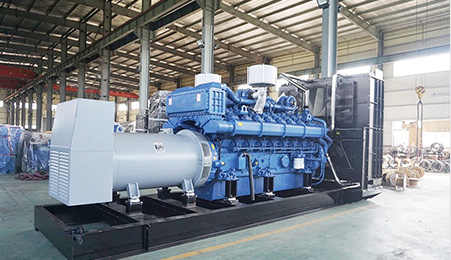
Browse server-rendered product categories, application solutions, project references and technical articles. These direct links help buyers and search crawlers reach useful pages without relying on JavaScript menus.
Compare equipment families before confirming output, duty, environment and accessories.
Start selection from critical loads, motor starting, operating hours and site derating.
Read project references, company updates and generator-set selection or maintenance articles.
Wanjin supports generator-set sales, configuration checks, quotation, installation coordination, repair and scheduled maintenance.

