


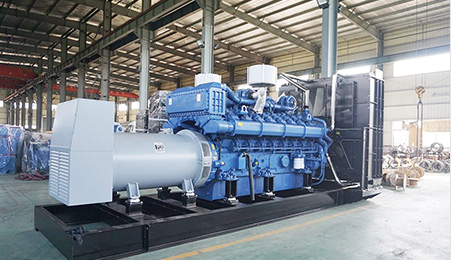
A diesel generator export delivery inspection checklist is a structured record used to confirm that a generator set matches the approved quotation, technical specification, packing documents and delivery requirements before shipment and during receipt at the project site. For industrial projects, the inspection should cover the Yuchai diesel engine, alternator, control system, fuel and exhaust connections, enclosure or base frame, documentation, packaging and site handover. A complete diesel generator export delivery inspection checklist helps the buyer, exporter, logistics provider and commissioning team work from the same verified information.
The purpose of the checklist is to turn the approved supply scope into measurable inspection points. It should begin with the generator set identification, including the model designation, rated output, serial numbers where available, engine information, alternator information and control panel configuration. The nameplate data should be compared with the commercial quotation and technical offer. Pay particular attention to the rated power in kW and kVA, frequency, voltage, phase arrangement, speed and power factor.
For a Yuchai diesel generator set, the engine section should identify the specified Yuchai engine model and confirm that the delivered engine corresponds with the approved technical documents. The inspection should record the engine starting system, battery arrangement, cooling method, fuel system details and exhaust outlet configuration. These details should be checked against the application requirements rather than assumed from the general product category.
The alternator inspection should confirm the specified manufacturer and model, rated output, insulation and protection information stated in the approved documents, voltage regulation arrangement and terminal configuration. The alternator must be suitable for the generator set output and the intended load characteristics. If the project includes motors, pumps, compressors or other equipment with high starting current, the inspection team should confirm that the alternator selection and generator sizing were based on those loads.
A practical checklist normally includes visual condition, dimensions, component identification, electrical connections, mechanical connections, accessories, documentation and packing. The visual inspection should look for damage to the frame, radiator, fan guard, control panel, acoustic enclosure, fuel tank, lifting points and cable entry areas. Paint condition and surface protection should also be reviewed, especially where the equipment will be transported by sea or stored in a humid environment.
The checklist should also state what is included and excluded from the shipment. Possible items include batteries, battery cables, exhaust components, flexible connectors, fuel hoses, vibration isolators, circuit breakers, control cables, spare parts and operation manuals. A quotation scope that is clear at the inspection stage reduces disputes when the equipment reaches the installation site.
Export delivery involves more than confirming that a generator starts. The equipment may pass through factory inspection, inland transport, port handling, ocean freight, customs clearance and final delivery before installation. Each stage creates opportunities for incorrect documents, missing accessories, moisture exposure, impact damage or misunderstandings about the supplied configuration. A diesel generator export delivery inspection checklist creates a traceable reference before responsibility changes from one party to another.
Power rating is one of the most important reasons for disciplined inspection. Generator sets are commonly described in both kW and kVA, but these values are not interchangeable. kW represents real power, while kVA represents apparent power. The relationship depends on the power factor. For example, a generator rated at 100 kVA at a power factor of 0.8 corresponds to 80 kW at that stated power factor. The buyer should verify that the quotation, nameplate and project load calculation use consistent values.
Inspection also protects the commissioning schedule. A missing control cable, incorrect breaker rating or unsuitable exhaust connection may not be discovered until the generator is already at site. Resolving such issues after export can involve additional freight, customs procedures and installation delays. Recording the condition and scope before shipment gives the project team evidence for prompt corrective action.
For Nanning Wanjin Mechanical & Electrical, serving as an authorized Yuchai dealer and export supplier means that the inspection process should connect the supplied Yuchai engine package with the buyer’s actual industrial application. The dealer and buyer should rely on verified engine and alternator information, approved drawings and confirmed project requirements. Claims about certifications, emissions compliance or other regulatory matters should be supported by the relevant documents for the specific generator set and destination.
A useful record includes the inspection date, equipment identification, inspected items, measured values, document references, photographs if separately handled by the project team, nonconformities and corrective actions. The record should identify who performed each check and whether the item was accepted, rejected or accepted subject to correction. This is particularly important when several generator sets are supplied for one project and the units have different ratings or configurations.
The checklist should distinguish between factory acceptance information and site commissioning results. A factory inspection can verify assembly, identification, appearance, documentation and agreed test results. Site commissioning must additionally address foundation conditions, ventilation, fuel quality, exhaust routing, earthing, cable termination, load connection and local operating conditions. Treating a delivery inspection as a substitute for commissioning leaves important project risks unaddressed.
The checklist should be prepared when the quotation and technical configuration are finalized, not after the equipment has been packed. Start with the approved supply scope and create an inspection line for every item that affects operation, installation or compliance. Mark the source of each requirement, such as the quotation, technical datasheet, approved drawing, purchase order or project specification.
Before shipment, verify the generator set against the approved configuration. Confirm the engine and alternator models, rated kW and kVA, voltage, frequency, phase, speed and control functions. Check that the control panel displays the expected operating values and that the emergency stop, alarms and protective shutdown functions operate according to the agreed configuration. Do not record a protection feature as present unless it is included in the specified control system or has been verified during testing.
Review mechanical details next. The base frame should be stable, lifting points should be accessible, and flexible connections should not show visible damage. Inspect radiator and cooling components for bent fins, leaks or obstructions. Check the exhaust outlet, fuel connections and drain points. For enclosed sets, inspect doors, locks, ventilation openings, sound-attenuating panels and access points for routine maintenance.
Export documentation should be matched to the physical unit. The package may include a commercial invoice, packing list, bill of materials, operation and maintenance manual, wiring diagram, engine manual, alternator documentation, test record and shipping marks, depending on the agreed scope. Serial numbers and model descriptions should be consistent across the documents wherever those details are required.
The packing inspection should confirm that fragile or removable components are protected against movement, impact and moisture. Electrical panels, batteries and control accessories require particular attention during storage and transport. The packing list should state the quantity and description of loose items. If an accessory is packed separately, the checklist should identify its package number or shipping mark so the receiving team can locate it efficiently.
Once the unit arrives at site, the receiving team should inspect the packaging before unloading. Look for punctures, crushed corners, water marks, broken seals, shifted cargo or signs of improper handling. After unpacking, compare the equipment with the pre-shipment inspection record and note any new damage. The receiving team should not energize or start the generator until installation conditions and pre-start checks have been reviewed by qualified personnel.
Site use of the diesel generator export delivery inspection checklist should end with a handover section. This section can record the installation location, foundation or mounting condition, ventilation arrangement, exhaust support, fuel system, battery connection, earthing, output cable termination and control interface. The installer should confirm that access is available for oil, filter and cooling-system maintenance.
Commissioning should include appropriate no-load and load testing based on the project requirements. The team should observe voltage, frequency, oil pressure, coolant temperature, battery charging and alarm status during operation. Load-bank testing or connected-load testing should be planned according to the equipment rating and site safety procedures. The results should be recorded with the operating conditions, test duration and any corrective actions.
One common problem is comparing the physical generator only with a general product brochure instead of the approved quotation. A brochure may show several engine, alternator, controller or enclosure options. The inspection must be based on the exact configuration supplied for the project. When an item is not clear, the buyer and supplier should resolve it through the technical documents before acceptance.
Another risk is confusing standby rating with prime or continuous rating. The correct rating depends on how the generator will operate, including expected running hours, load profile, allowable overload and duty cycle. The inspection record should state the applicable rating and should not treat two different ratings as equivalent. If the load is variable or includes large motor starts, the sizing review should consider starting current and transient performance.
Environmental conditions also require attention. High ambient temperature, altitude, dust, humidity, salt exposure and restricted ventilation can affect output and reliability. The buyer should verify the derating information and installation requirements for the destination. A generator that is correctly rated under reference conditions may require a different selection or installation arrangement in a demanding industrial environment.
Fuel, lubrication and coolant checks should be handled carefully. The commissioning team should use fluids that meet the engine manufacturer’s requirements and local operating conditions. Fuel contamination, incorrect coolant mixture or prolonged storage without preservation can cause problems even when the generator was in good condition at dispatch. Storage instructions should be reviewed before the equipment is placed in a warehouse or held at a construction site.
Remote monitoring, automatic transfer operation, parallel synchronization and communication functions should be treated as specific project features, not assumed standard items. If the generator must integrate with an automatic transfer switch or building management system, the interface requirements should be confirmed before delivery. The checklist should identify the required signals, communication protocol and testing responsibility when those details are part of the contract.
Regulatory requirements vary by destination and application. Customs documents, electrical rules, emissions requirements, noise limits and site safety obligations should be verified with the responsible project parties. A supplier should provide only the certifications and declarations applicable to the actual equipment and market. Unsupported claims can create delays during import clearance or project approval.
Finally, the checklist should include a clear route for after-sales support. Record the generator model, engine model, serial information, operating hours at handover, installed location and contact details for technical communication. Maintenance intervals, recommended consumables, troubleshooting procedures and warranty conditions should be explained in the supplied documentation. Nanning Wanjin Mechanical & Electrical can use these records to coordinate technical clarification, commissioning support and maintenance communication for exported Yuchai generator sets.
A diesel generator export delivery inspection checklist is effective when it links the approved specification, physical equipment, shipping documents, site installation and commissioning results. It should verify the Yuchai engine and alternator configuration, confirm kW and kVA sizing, identify the complete quotation scope and document any exceptions before they become project delays. Used consistently, the checklist gives exporters, industrial buyers and installation teams a common technical record for delivery acceptance, commissioning and long-term maintenance.
Browse server-rendered product categories, application solutions, project references and technical articles. These direct links help buyers and search crawlers reach useful pages without relying on JavaScript menus.
Compare equipment families before confirming output, duty, environment and accessories.
Start selection from critical loads, motor starting, operating hours and site derating.
Read project references, company updates and generator-set selection or maintenance articles.
Wanjin supports generator-set sales, configuration checks, quotation, installation coordination, repair and scheduled maintenance.

