


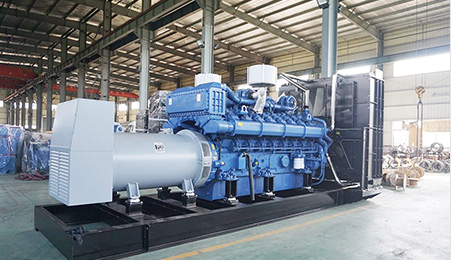
Yuchai generator set high coolant temperature causes are conditions that prevent the engine cooling system from removing heat at the required rate, or that make the monitoring system report an abnormal temperature. For an industrial generator set, high coolant temperature can reduce available engine performance, trigger an alarm or shutdown, increase wear, and interrupt power supply. Nanning Wanjin Mechanical & Electrical is an authorized Yuchai dealer supplying Yuchai diesel generator sets for export and industrial projects. Correct diagnosis should combine the engine model manual, the generator set control panel, verified operating data, and a systematic inspection of the cooling, fuel, air, exhaust, electrical, and load systems.
A Yuchai generator set normally transfers combustion heat from the cylinders to the coolant, then from the coolant through the radiator or heat exchanger to the surrounding air or cooling water. When heat removal is lower than heat production, coolant temperature rises. The same symptom may also occur when a temperature sensor, wiring circuit, controller input, or display is inaccurate. This distinction is important because replacing a thermostat will not correct an electrical measurement fault, while resetting an alarm will not solve a restricted radiator or overloaded engine.
Common mechanical causes include low coolant level, coolant leakage, incorrect coolant concentration, air trapped in the cooling circuit, a blocked radiator core, a damaged fan, a loose or slipping belt, a defective thermostat, a failing water pump, or an obstructed hose. Operating conditions also matter. High ambient temperature, poor ventilation, recirculation of hot exhaust air, excessive altitude, dust, and restricted airflow can reduce the cooling margin even when the engine is correctly maintained.
Load and combustion conditions should be evaluated at the same time. A generator set operating above its rated kW or kVA, carrying a large motor-starting load, or exposed to severe transient loading may produce more heat than expected. Poor-quality fuel, restricted air intake, a blocked air filter, injector problems, incorrect injection timing, or a restricted exhaust system can also increase combustion temperature. The exact inspection sequence should follow the Yuchai engine and generator set documentation because component layout and alarm thresholds vary by model and controller configuration.
Recent generator set troubleshooting increasingly combines physical inspection with electronic data. Modern control panels may record coolant temperature, engine speed, load percentage, operating hours, alarm history, shutdown status, and related sensor faults. This information helps technicians establish whether the temperature rose gradually, appeared immediately after starting, occurred only at high load, or was reported while the engine was still cold. These patterns can narrow the investigation, but displayed data should still be compared with an independent, properly rated temperature measurement when the reading is unexpected.
A temperature alarm that appears immediately after start-up may indicate a sensor, wiring, controller configuration, or coolant circulation issue rather than genuine overheating. A temperature rise that occurs only after several hours at high load is more consistent with limited radiator capacity, fouling, low coolant flow, poor ventilation, or an operating condition outside the original design assumptions. If the alarm follows recent maintenance, inspect for an incorrectly connected sensor, air in the cooling system, an improperly tensioned belt, a closed service valve, or a hose installed with a restriction.
Export and industrial applications also require closer attention to the installation environment. A generator set selected for one ambient temperature, altitude, enclosure arrangement, or ventilation design may have less thermal margin at another site. The quotation and technical review should therefore confirm the Yuchai engine model, generator set rating, frequency, rated speed, standby or prime duty, ambient temperature, altitude, cooling arrangement, enclosure, radiator configuration, and load profile. These details support a defensible selection and help separate an application issue from a component failure.
Technicians should record coolant temperature, oil pressure, engine speed, electrical load, ambient temperature, and alarm timing before changing parts. A genuine overheating event may be accompanied by rising temperature over time, reduced engine performance, coolant loss, steam, unusual fan noise, or a shutdown command. A false indication may show an implausible temperature, unstable readings, or a value that does not correspond with the engine's physical condition. Safety procedures remain essential: stop the set according to the operating manual, isolate it when required, and allow hot components to cool before opening a pressurized cooling system.
Begin with the basic checks. Confirm the coolant level using the procedure specified by the engine manufacturer and inspect the radiator, hoses, water pump area, expansion tank, drain points, and connections for leakage. Never remove a radiator cap while the system is hot or pressurized. Check the coolant condition and concentration with suitable test equipment, because plain water, contaminated coolant, or an incorrect mixture can reduce corrosion protection and heat-transfer performance. If coolant has been lost, identify and repair the cause before simply refilling the system.
Next inspect airflow. Remove dirt, oil, paper, vegetation, and other debris from the radiator surface using a method that will not bend the fins or force contamination deeper into the core. Check whether the radiator is installed with sufficient clearance and whether hot air can escape from the enclosure. Air intake and exhaust openings must be sized and positioned for the generator set's actual rating and site conditions. Hot air recirculating from the radiator outlet to the engine air intake can create overheating during otherwise normal operation.
Inspect the fan, belt, shroud, and drive system. A damaged fan blade, incorrect fan rotation, loose belt, excessive belt wear, or a misaligned pulley can reduce airflow and coolant circulation. A water pump may fail through bearing damage, seal leakage, impeller damage, or reduced pumping capacity. A thermostat that remains closed or opens late can restrict coolant flow through the radiator. These components should be tested or replaced according to the applicable Yuchai service instructions rather than adjusted by guesswork.
After the cooling system is checked, review the load and engine operating condition. Compare the actual electrical output with the generator set's verified rated kW and kVA, and check whether power factor, motor starting, non-linear loads, or rapid load changes are suitable for the selected alternator and engine. Confirm that the set is not being operated continuously above the agreed duty rating. Inspect the air filter, turbocharger air path where applicable, fuel supply, injectors, exhaust back pressure, and engine speed. A restriction or combustion problem can increase heat generation even when the radiator is clean.
Finally, verify the temperature measurement circuit. Inspect the coolant temperature sender, connector, wiring, ground, and controller input for corrosion, looseness, insulation damage, or incorrect resistance. Compare the displayed value with an approved test instrument at a known operating condition. Do not bypass a protection device for routine operation. If a shutdown occurs repeatedly, the cause should be resolved before returning the generator set to service.
A useful daily or pre-start checklist begins with coolant level, visible leaks, radiator cleanliness, fan and belt condition, air intake clearance, exhaust outlet clearance, and the control panel alarm history. Operators should record load, voltage, frequency, oil pressure, coolant temperature, ambient conditions, and unusual sounds during routine rounds. Trend data is more useful than a single reading because a gradual increase in normal operating temperature can reveal fouling, belt deterioration, coolant loss, or a changing ventilation condition before a shutdown occurs.
Scheduled maintenance should follow the Yuchai engine manual and the generator set maintenance plan. It may include coolant testing and replacement at the specified interval, radiator cleaning, hose and clamp inspection, belt adjustment or replacement, thermostat and water pump inspection, sensor checks, air filter service, fuel system maintenance, exhaust inspection, and load-bank or controlled-load testing where appropriate. Maintenance records should identify the date, operating hours, measured values, parts changed, coolant type, and technician observations. This record is particularly important for export installations where commissioning and service teams may work across different locations.
Installation and commissioning are part of temperature control. Before handover, confirm the foundation and alignment, cooling system filling and bleeding, radiator airflow, enclosure ventilation, exhaust routing, electrical connections, protective shutdowns, and operation at representative loads. The commissioning report should document stable coolant temperature at the agreed test conditions and note ambient temperature, altitude, load percentage, fuel condition, and any derating assumptions. If the application requires a custom radiator, remote radiator, heat exchanger, or special enclosure, those design details should be confirmed before production and installation.
When requesting a quotation or technical review, provide the intended use, required prime or standby rating, kW and kVA demand, voltage, frequency, phase arrangement, load types, starting currents, site altitude, ambient temperature, enclosure requirements, fuel expectations, delivery destination, installation scope, commissioning requirements, and after-sales support needs. The supplier should confirm the proposed Yuchai engine and alternator specifications from applicable manufacturer documentation. This process reduces the risk of selecting a set with insufficient cooling capacity or an unsuitable installation arrangement.
Do not continue operating a generator set with a persistent high coolant temperature alarm simply because output voltage and frequency appear normal. Thermal stress can damage cylinder components, gaskets, hoses, turbocharger parts, and other engine systems. Do not mix coolant products without confirming compatibility, and do not use an unverified temperature threshold from another engine model. Alarm limits, coolant capacity, fan arrangements, sensor types, and service intervals can differ between Yuchai generator set configurations.
High coolant temperature diagnosis is most reliable when it considers the full system rather than one component. Check the real temperature, coolant level and quality, coolant circulation, radiator airflow, installation ventilation, engine load, combustion condition, and electrical monitoring circuit. With accurate sizing, documented commissioning, scheduled maintenance, and responsive technical support, a Yuchai generator set can operate more predictably across export and industrial applications. The practical objective is not merely to clear an alarm, but to identify why heat balance was lost and prevent the same condition from returning.
Browse server-rendered product categories, application solutions, project references and technical articles. These direct links help buyers and search crawlers reach useful pages without relying on JavaScript menus.
Compare equipment families before confirming output, duty, environment and accessories.
Start selection from critical loads, motor starting, operating hours and site derating.
Read project references, company updates and generator-set selection or maintenance articles.
Wanjin supports generator-set sales, configuration checks, quotation, installation coordination, repair and scheduled maintenance.

