


A Yuchai generator set for mining operations is an engine-driven power system configured to supply electricity to mine facilities, equipment, or remote sites. Its suitability depends on the actual load, operating conditions, required runtime, and the specific engine and alternator selected. Mines may use generator sets for standby power, planned outages, remote operations, or as part of a larger power system. Choosing the right configuration requires verified equipment specifications and a clear understanding of how the set will be installed, operated, and maintained.
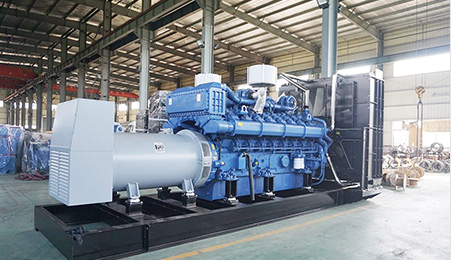
A generator set combines a diesel engine, an alternator, control and protection components, and the supporting systems needed for operation. Depending on the configuration, these may include a radiator and cooling package, fuel system, starting batteries, base frame, enclosure, and connection points for site wiring. The exact scope varies by model and application, so the equipment description and quotation should identify what is included rather than relying on a generic product label.
Engine and alternator specifications should be evaluated together. Relevant details include the engine model, rated output, speed, cooling method, alternator model, voltage, frequency, power factor, and applicable duty rating. These values must be confirmed from the selected unit's technical documentation. A brand name alone does not establish fuel consumption, emissions performance, altitude capability, or suitability for a particular mine environment.
Power ratings may be stated in kilowatts (kW) or kilovolt-amperes (kVA). The relationship depends on power factor: kW = kVA x power factor. For example, a set rated at 500 kVA at a 0.8 power factor corresponds to 400 kW of real power under that rating condition. This conversion does not determine whether the set can start a motor or carry a particular operating profile; those questions require load data and the manufacturer's ratings.
Mining sites can have demanding and variable electrical loads. Pumps, ventilation systems, compressors, conveyors, lighting, workshops, and processing equipment may run together or start in sequence. A power interruption can affect production, safety systems, equipment, or site services. The importance of a generator set therefore depends not only on its nominal output, but also on the role it plays in the site's power architecture and on the consequences of losing that supply.
A generator may serve as standby capacity for utility interruptions, as a primary source at a remote location, or as one unit in a multi-generator installation. Each duty changes the selection criteria. Standby service may prioritize reliable starting and transfer arrangements, while continuous or prime operation calls for careful review of the applicable rating, load factor, service intervals, and maintenance access. The rating category and operating limits should be confirmed for the exact engine-generator configuration.
Mining conditions also influence reliability. Dust, vibration, temperature extremes, elevation, humidity, and fuel quality can affect performance and service needs. The site team should provide these operating conditions when requesting a proposal. The supplier can then confirm which environmental limits, cooling arrangements, filtration, enclosure options, or other configuration details are supported by the selected equipment documentation.
Start with a load schedule rather than an estimated generator size. List each load's running kW or kVA, power factor, starting method, starting current or required starting kVA, operating sequence, and expected duration. Identify which loads are essential and which can be shed. For motor-driven equipment, starting demand can be materially higher than running demand, and simultaneous starts can create a larger transient than the steady-state total suggests.
Use that information to distinguish real power from apparent power and to identify the maximum credible operating case. Account for continuous loads, intermittent loads, future expansion, and any required reserve, but avoid adding an arbitrary margin without checking the resulting operating profile. Oversizing can also be undesirable if the set spends long periods at very low load. Ask the supplier to review both the steady-state demand and the expected load steps against the proposed engine and alternator ratings.
Next, define the duty and electrical interface. Confirm whether the set is for standby, prime, or another rating category; the required voltage and frequency; phase arrangement; earthing approach; and whether automatic transfer or synchronization is needed. For multiple sets or parallel operation, specify the intended control and protection arrangement. These details affect the alternator, controller, switchgear, and installation scope, and should be resolved before an order is finalized.
Compare complete configurations, not just headline kVA values. Request the engine and alternator model numbers, rating basis, technical data, fuel-consumption information at stated load points, dimensions, weight, connection details, and any applicable derating guidance. A quotation should also clarify included accessories, control functions, packaging, documentation, delivery terms, commissioning responsibilities, and exclusions. As an authorized Yuchai dealer, Nanning Wanjin Mechanical & Electrical can prepare an export or project quotation around the specified application; the exact scope and equipment data should be confirmed in writing for each order.
Before installation, check the foundation, access route, ventilation, exhaust routing, cooling-air flow, fuel storage and supply, electrical connections, and provisions for safe maintenance. The site design should follow the equipment documentation and applicable local requirements. Enclosures and acoustic treatments must not obstruct airflow or service access. For a remote mine, include the practical requirements for fuel replenishment, consumables, lifting, and access to routine maintenance points.
Commissioning should verify the installed system under controlled conditions. This typically includes checking wiring and protective devices, confirming control settings, inspecting fluids and fuel, testing starting and shutdown, and validating operation under an agreed load-test procedure. The parties responsible for installation and commissioning should be defined in the quotation or project agreement. Any test limits and acceptance criteria should be agreed before work begins and recorded in the handover documents.
Maintenance planning should reflect operating hours, duty, site conditions, and the engine manufacturer's schedule. Keep records of run hours, inspections, alarms, service work, and fuel quality. Dusty environments may make air filtration and cooling-system inspection especially important, while remote locations may need planned service intervals and a defined spare-parts strategy. Confirm which after-sales support is available for the destination market, what technical information is supplied, and how service requests are handled; do not assume that local coverage exists unless it has been confirmed.
Common selection risks include sizing from kVA alone, overlooking motor starting, treating standby and prime ratings as interchangeable, and assuming that a standard configuration will suit high altitude or extreme ambient temperatures. Another risk is leaving interfaces unresolved until delivery, when switchgear, cabling, foundations, or fuel arrangements may need redesign. A written technical review based on the load schedule and site data helps expose these issues early.
A Yuchai generator set for mining operations should be selected as part of a defined power and maintenance plan. Confirm the real load, starting requirements, duty rating, site conditions, and electrical interface, then compare complete configurations using verified specifications. Clear quotation boundaries, installation planning, commissioning criteria, and ongoing service arrangements help ensure the proposed set matches the mine's operating needs.
Browse server-rendered product categories, application solutions, project references and technical articles. These direct links help buyers and search crawlers reach useful pages without relying on JavaScript menus.
Compare equipment families before confirming output, duty, environment and accessories.
Start selection from critical loads, motor starting, operating hours and site derating.
Read project references, company updates and generator-set selection or maintenance articles.
Wanjin supports generator-set sales, configuration checks, quotation, installation coordination, repair and scheduled maintenance.

