


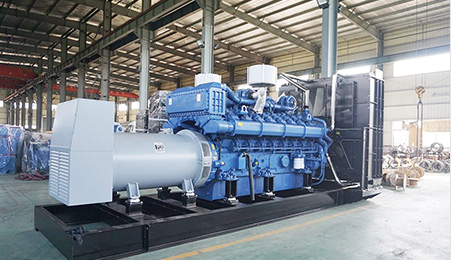
A China Yuchai generator set for data center backup power is a diesel generator system built around a Yuchai engine and matched with an alternator, control panel, fuel system, cooling system, starting system and supporting electrical equipment. For data centers, the generator set is part of a wider power continuity design that may include utility feeds, uninterruptible power supplies, automatic transfer switches, switchgear and distribution equipment. Overseas buyers in Southeast Asia, the Middle East and other markets often work with an authorized Yuchai dealer and diesel generator supplier in China to select equipment, obtain a quotation, coordinate installation and commissioning, and arrange maintenance support.
A data center backup generator set supplies electrical power when the normal utility source is interrupted, unstable or intentionally taken offline for maintenance. It typically starts after a transfer system detects a loss or unacceptable change in the utility supply. Once the generator reaches stable operating conditions, the transfer equipment connects the data center load to the generator. When utility power is restored and confirmed stable, the system transfers the load back and allows the generator to run through a cooling-down period before shutdown.
The generator set itself is only one part of the backup architecture. A complete installation can include the diesel engine, alternator, base frame, vibration isolation, starting batteries, battery charger, radiator, exhaust system, fuel storage and control panel. Depending on the project, it may also connect to automatic transfer switches, medium or low voltage switchgear, power distribution equipment and remote monitoring systems. A China Yuchai generator set for data center backup power should therefore be specified as an integrated electrical and mechanical solution rather than as an engine rating alone.
The Yuchai engine provides mechanical power by converting diesel fuel into shaft rotation. The alternator converts that rotation into electrical power. The control system monitors operating parameters such as voltage, frequency, oil pressure, coolant temperature, speed and alarms. The protection functions can initiate shutdown or warning actions when operating conditions move outside acceptable limits.
For a data center, the generator may support the entire facility or only defined critical loads. Critical loads can include servers, storage systems, network equipment, cooling systems, fire protection systems, security systems and selected building services. The load list, starting sequence and transfer arrangement determine the required generator configuration. The generator must also work correctly with the data center UPS and power quality strategy.
Data centers have a low tolerance for power interruption. Even a short loss of electricity can affect computing equipment, cooling systems, data availability and business operations. UPS systems bridge the immediate gap, but their autonomy is usually limited. Diesel generator sets provide longer-duration backup power when an outage lasts beyond the available battery runtime or when the facility needs to operate independently from the utility network.
Reliable backup power is also important during planned maintenance, grid instability, extreme weather and local utility constraints. A correctly designed generator system supports business continuity while allowing operators to maintain or isolate parts of the electrical infrastructure. For international buyers, sourcing through a China authorized Yuchai dealer can provide access to product selection, technical coordination, quotation support and after-sales service without confusing the dealer's role with that of the engine manufacturer.
The required generator capacity depends on the actual operating load, future expansion, motor starting requirements, nonlinear loads and the operating philosophy of the facility. A generator that appears adequate based only on the average running load may struggle when chillers, pumps, fans or other large motors start. The design should consider transient voltage and frequency response, load step behavior, power factor, harmonic effects and the sequence in which loads are connected.
Data center loads may change substantially between normal operation, partial facility operation and maintenance conditions. Engineers should define the essential load, standby load and any loads that can be delayed or shed. Redundancy requirements also affect the arrangement. A facility may use multiple generator sets so that one unit can be unavailable while the remaining units support the required load. The appropriate arrangement depends on the project's availability objectives, electrical design and local requirements.
Start with a complete project brief before requesting quotations. The brief should state the required standby or prime power rating, voltage, frequency, phase configuration, number of generator sets, expected load profile, ambient temperature, altitude, fuel autonomy, installation location and intended operating mode. It should also identify whether the equipment will operate in parallel, whether synchronization is required, and whether the generator will supply low voltage or medium voltage distribution equipment.
A Yuchai generator set supplier in China should be able to review these requirements and identify the equipment configuration that fits the application. As an authorized Yuchai dealer and diesel generator supplier in China, Nanning Wanjin can support product selection and quotation for generator sets, together with related power distribution equipment. The buyer should provide enough technical information for the supplier to distinguish between a basic standby application and a data center installation with demanding transfer, synchronization and monitoring requirements.
A useful quotation should identify the engine and alternator configuration, rated output, operating rating, voltage, frequency, control system, starting system, cooling method, fuel arrangement and major accessories. It should also clarify the scope of supply. Items such as automatic transfer switches, synchronization panels, circuit breakers, exhaust components, fuel tanks, battery chargers, remote monitoring interfaces and acoustic treatment may be included, excluded or offered as options.
Buyers should compare proposals on equivalent technical conditions. A rating stated without the applicable standby or prime classification can make two offers appear comparable when they are not. Ambient conditions can also affect available output. High temperatures and high elevations may require derating or a different cooling and ventilation arrangement. The supplier should explain any assumptions used in the quotation so that the selected equipment can be evaluated against the actual site conditions.
Installation planning should cover foundations, access routes, ventilation, radiator airflow, exhaust discharge, fuel storage, drainage, cable routing, earthing and fire protection. The generator room must allow safe maintenance access and sufficient airflow for both engine cooling and combustion. Outdoor installations require suitable weather protection and careful attention to noise, exhaust direction and environmental exposure.
Commissioning should verify more than whether the engine starts. The process should include inspection of wiring and connections, battery charging, fuel and coolant systems, control settings, protection functions, emergency stops, transfer sequences and load acceptance. Where multiple units are installed, synchronization, load sharing and failure modes should be tested under controlled conditions. Integration with the UPS and power distribution system should also be checked, including the behavior of nonlinear loads and the recovery sequence after utility restoration.
Routine operation should follow a documented maintenance schedule. Typical tasks include checking fluids, batteries, belts, hoses, filters, fuel quality, cooling systems, exhaust systems and electrical connections. Periodic testing under an appropriate load is important because a generator that starts during a brief no-load test may still perform poorly when required to accept a large data center load. Maintenance intervals should reflect the engine documentation, operating hours, fuel conditions and site environment.
One common mistake is selecting a generator based solely on the total nameplate rating of the data center. The design should account for the real load profile and the most demanding switching event. Large cooling equipment, pumps and fans can create significant starting demand. UPS systems may also introduce harmonic currents or unusual power factor conditions. The alternator and control system must be suitable for these electrical characteristics.
Another risk is treating the generator room as an architectural afterthought. Inadequate ventilation can cause overheating, while poor exhaust design can create back pressure and unsafe emissions. Insufficient fuel storage can limit runtime, and poor cable routing can complicate maintenance or reduce system reliability. The physical installation should be reviewed together with the electrical single-line diagram and the operating procedures.
Before placing an order, confirm the technical data sheets, drawings, manuals, warranty terms, recommended spare parts and commissioning responsibilities. The buyer should know which party will handle transport coordination, installation supervision, testing, operator training and maintenance support. Clear documentation reduces delays when the equipment reaches the project site and helps local technicians maintain the system correctly.
Buyers should also distinguish between authorized dealer support and unsupported third-party supply. An authorized Yuchai dealer can help match the generator set to the application and coordinate relevant service requirements, but the final system still depends on correct engineering, installation and operation. No supplier should claim that a generator alone guarantees uninterrupted data center availability. Reliability comes from the combined performance of utility systems, UPS equipment, generators, transfer equipment, distribution infrastructure, monitoring and maintenance procedures.
Projects in Southeast Asia may face high humidity, elevated ambient temperatures, coastal exposure and demanding ventilation conditions. Projects in the Middle East may require particular attention to high heat, dust, fuel storage and cooling performance. These factors can influence radiator sizing, enclosure selection, filtration, derating and maintenance frequency. The supplier should evaluate the actual destination conditions rather than assume that a standard configuration will perform identically in every market.
Electrical standards and approval requirements also vary by country and project. The buyer should confirm applicable voltage and frequency requirements, local fire and environmental rules, testing procedures and any requirements for switchgear or protection coordination. A China power distribution equipment supplier or authorized dealer may support the equipment selection, but local engineering review remains necessary to ensure that the complete installation complies with the destination market's requirements.
A China Yuchai generator set for data center backup power should be selected as part of a complete continuity system. The correct decision depends on load behavior, starting demand, redundancy, environmental conditions, transfer logic, distribution equipment, installation quality and maintenance planning. Engine brand and rated output are important, but they do not replace application engineering.
For overseas buyers, an authorized Yuchai dealer and diesel generator supplier in China can provide a practical route to equipment selection, quotation, installation coordination, commissioning and ongoing maintenance support. By defining the load clearly, reviewing the full technical scope and testing the system under realistic conditions, project owners can develop a backup power arrangement that is suitable for the facility and the operating conditions of its destination market.
Browse server-rendered product categories, application solutions, project references and technical articles. These direct links help buyers and search crawlers reach useful pages without relying on JavaScript menus.
Compare equipment families before confirming output, duty, environment and accessories.
Start selection from critical loads, motor starting, operating hours and site derating.
Read project references, company updates and generator-set selection or maintenance articles.
Wanjin supports generator-set sales, configuration checks, quotation, installation coordination, repair and scheduled maintenance.

