


Yuchai generator set power ratings and model selection involve matching the required electrical output, duty type, operating conditions, engine performance, alternator configuration, and project requirements. For an industrial or export project, selecting a set is not simply a matter of choosing the largest kW number. Nanning Wanjin Mechanical & Electrical, as an authorized Yuchai dealer, helps customers compare Yuchai diesel generator sets by prime and standby ratings, kW and kVA capacity, frequency, voltage, phase, fuel system, installation conditions, and after-sales requirements. A correctly selected set provides dependable power without unnecessary capital cost, excessive fuel consumption, or avoidable operating limitations.
A generator set combines a diesel engine, alternator, control system, base frame, cooling system, exhaust arrangement, and related accessories. The engine supplies mechanical power, while the alternator converts that power into electrical energy. In most project specifications, the generator set is selected according to its electrical output at the alternator terminals. This output is commonly stated in kilowatts (kW) and kilovolt-amperes (kVA).
kW represents real power, which performs useful work such as driving motors, lighting facilities, operating pumps, or supplying production equipment. kVA represents apparent power and includes both real power and the reactive component created by inductive equipment. The relationship is expressed as kW = kVA × power factor. A 100 kVA set at a 0.8 power factor, for example, corresponds to 80 kW of real power. The actual rated power factor must be confirmed in the technical datasheet because it can vary according to the alternator and generator set configuration.
Power ratings are also defined by duty class. Standby power is generally used for emergency operation when the normal utility supply fails. Prime power is intended for variable-load operation where the generator is the main or regular source of power, subject to the operating limits specified by the manufacturer. Some projects may require continuous-duty operation for a relatively constant load. These ratings are not interchangeable, so a quotation should clearly state the applicable duty rating, permitted operating hours, load profile, and maintenance conditions.
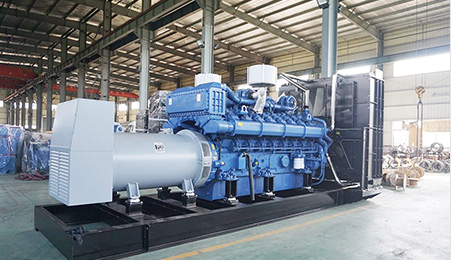
A Yuchai generator set model normally represents a coordinated combination of engine, alternator, control panel, and mechanical configuration. However, the same engine platform may be offered with different alternator brands, voltage options, cooling arrangements, control systems, and enclosure or container configurations. Therefore, an engine model alone does not fully define the finished generator set.
When comparing options, the purchaser should review the complete technical configuration. Important details include rated kW and kVA, frequency, voltage, phase, rated speed, fuel consumption, starting system, battery arrangement, governor type, alternator insulation and protection, control panel functions, circuit breaker rating, and dimensions. The final selection should be based on the complete datasheet and quotation rather than a short model reference only.
Correct sizing affects reliability, fuel economy, equipment life, and the ability of the generator set to handle sudden load changes. An undersized set may experience excessive voltage or frequency fluctuation, overload alarms, overheating, poor motor starting, and repeated shutdowns. It may also be unable to support the site when several loads operate at the same time.
Oversizing also creates technical and commercial problems. A diesel engine operating continuously at a very light load may use fuel inefficiently and may not reach its intended operating temperature. Low-load operation can contribute to carbon accumulation and other maintenance concerns, depending on the engine design and operating conditions. An oversized alternator and engine also increase transportation, installation, and procurement costs without necessarily improving the project outcome.
The distinction between standby and prime ratings is particularly important for industrial users. A facility that runs a generator for scheduled production, remote-site power, construction activity, or off-grid operation should not select a standby rating simply because it appears sufficient on paper. The load duration and operating pattern must be compared with the rating definitions in the manufacturer’s documentation.
Power quality is another reason to make a careful selection. Motors, variable-frequency drives, welding equipment, data systems, pumps, compressors, and rectifiers can place different demands on the generator. Starting current, harmonic distortion, rapid load changes, and poor power factor may require a larger alternator, a different excitation system, or additional design measures. The nominal kVA rating does not by itself show how the set will perform with every type of load.
The selection process should begin with a load schedule rather than a preferred model. List every connected load, its rated kW or kVA, operating hours, starting method, power factor, and whether it operates continuously or intermittently. Separate essential loads from nonessential loads if the generator is intended for emergency power. This allows the project team to calculate the running load and determine which equipment may start simultaneously.
Confirm the required voltage, phase configuration, frequency, and distribution arrangement. Common configurations include three-phase industrial systems, but the actual requirement depends on the site and local electrical standard. Frequency affects engine speed and the compatibility of connected equipment. A 50 Hz application and a 60 Hz application should be specified clearly because the generator set configuration, rated speed, and sometimes the available output may differ.
Calculate both real power and apparent power. If the load is stated in kW, the required kVA can be estimated by dividing kW by the expected power factor. If the load is stated in kVA, confirm the corresponding kW requirement so that the engine has adequate real-power capacity. For mixed loads, use the actual power factor data where available instead of relying on a general assumption.
Motor-driven equipment can draw several times its running current during startup. Large pumps, compressors, fans, elevators, and refrigeration systems may therefore determine the generator size even when their steady-state kW is moderate. The starting method should be identified, including direct-on-line starting, star-delta starting, soft starting, or variable-frequency control.
Ask for transient-performance information when the project includes large motors or rapidly changing loads. The required solution may involve a higher generator rating, staged load starting, automatic load management, or a different alternator configuration. A generator set that supports the running load may still fail to start a motor successfully if the voltage dip and engine response are not adequately considered.
Rated output is normally based on defined ambient conditions. High altitude, high temperature, restricted ventilation, dust, humidity, and other site factors can reduce engine or alternator performance. The quotation should state the site elevation, expected ambient temperature, indoor or outdoor installation, cooling-air requirements, and any applicable derating.
For export projects, transportation and installation conditions also matter. Check the overall dimensions, dry and operating weight, lifting points, access routes, container or canopy requirements, fuel storage arrangement, exhaust routing, and acoustic expectations. A technically suitable set may still require a different physical configuration if the site has limited access or restricted ventilation.
After calculating the required capacity, compare appropriate Yuchai configurations rather than selecting solely by the engine’s advertised power. The offer should identify the Yuchai engine model, alternator make and model, rated output, duty rating, frequency, voltage, phase, power factor, fuel consumption, control system, and included accessories.
The control system should be matched to the operating method. A manually operated set may suit a basic construction application, while a standby installation may require automatic mains failure control, remote monitoring, synchronizing, load sharing, or multiple-set operation. These functions should be stated in the quotation because they affect both the equipment configuration and the installation scope.
A clear quotation should define what is included and excluded. The technical scope may include the generator set, base frame, starting batteries, battery charger, standard control panel, circuit breaker, and silencer. Depending on the project, additional items may include a fuel tank, automatic transfer switch, weatherproof enclosure, sound attenuation, remote radiator, synchronization panel, spare parts, installation materials, or commissioning support.
Do not assume that site installation is included in the equipment price. Confirm responsibility for foundations, vibration isolation, ventilation, exhaust piping, fuel connections, electrical cabling, earthing, changeover equipment, and civil works. For export orders, also clarify packing, shipping dimensions, documentation, delivery terms, and whether on-site supervision or remote technical guidance is required.
The engine and alternator datasheets should be checked together. Confirm that the engine has sufficient output for the specified electrical rating at the stated frequency and environmental conditions. Review fuel consumption at different load percentages rather than comparing only the maximum rating. Check the alternator’s voltage regulation, frequency regulation, insulation class, protection level, excitation system, and short-circuit or motor-starting capability where relevant to the project.
Rating terminology should be consistent throughout the quotation, nameplate information, control system settings, and commissioning documents. If a project specification uses terms such as emergency standby, prime, continuous, or base load, request written confirmation of how the offered set corresponds to that requirement. This avoids confusion between an engine rating and the finished generator set rating.
Commissioning should verify correct installation and operating performance. Typical checks include cable connections, earthing, coolant level, lubricant level, battery condition, fuel quality, exhaust installation, ventilation, control-panel settings, protection functions, automatic transfer operation, and load acceptance. A controlled load test can help confirm voltage, frequency, temperature, and response under the intended operating conditions.
Maintenance requirements depend on the engine configuration, operating hours, fuel quality, load profile, and environment. A planned schedule should cover lubricating oil, oil and fuel filters, air filters, coolant, belts, batteries, hoses, electrical connections, and alternator condition. Operators should record running hours, alarms, load percentage, fuel use, and service work. These records support troubleshooting and help ensure that after-sales assistance is based on accurate operating information.
For overseas and industrial customers, after-sales support should be discussed before order confirmation. Confirm the availability of operating manuals, wiring diagrams, parts information, recommended service intervals, troubleshooting guidance, and technical communication channels. Nanning Wanjin Mechanical & Electrical can help coordinate specification review, quotation clarification, commissioning support, maintenance guidance, and spare-parts planning according to the project scope.
One common error is adding connected kW values without considering diversity, starting current, or simultaneous operation. Another is comparing a standby rating from one supplier with a prime rating from another. It is also risky to specify only “a Yuchai generator” without defining voltage, frequency, phase, duty, control requirements, and site conditions.
Purchasers should also avoid treating the engine brand as a substitute for complete equipment verification. The engine, alternator, controller, breaker, cooling system, and enclosure must work as one specified package. Reviewing these details before production reduces the risk of electrical incompatibility, installation changes, unexpected derating, and delays during commissioning.
Yuchai generator set power ratings and model selection are best handled as an engineering and project-coordination task. Start with the real load profile, distinguish kW from kVA, separate prime from standby duty, account for starting and environmental conditions, and compare the complete generator set configuration. When the rating, model, quotation scope, installation plan, and maintenance requirements are documented together, industrial and export customers can select a Yuchai diesel generator set that is properly matched to its intended application.
延伸阅读:For Chinese product selection and local support, visitWanjin's Chinese service site.
Browse server-rendered product categories, application solutions, project references and technical articles. These direct links help buyers and search crawlers reach useful pages without relying on JavaScript menus.
Compare equipment families before confirming output, duty, environment and accessories.
Start selection from critical loads, motor starting, operating hours and site derating.
Read project references, company updates and generator-set selection or maintenance articles.
Wanjin supports generator-set sales, configuration checks, quotation, installation coordination, repair and scheduled maintenance.

