


Yuchai generator set installation requirements are the technical, site, electrical, mechanical and operational conditions needed to install and operate a Yuchai diesel generator set safely and reliably. They cover generator sizing, foundation design, ventilation, exhaust routing, fuel storage, electrical connection, control systems, commissioning and maintenance access. For industrial projects and export applications, these requirements should be reviewed before quotation so the selected engine, alternator, control panel and accessories match the actual site conditions rather than only the stated kW or kVA rating.
Yuchai generator set installation requirements begin with a clear definition of the intended duty. A standby generator may operate only during utility outages, while a prime-power set may run for extended periods with changing loads. Continuous-duty applications, construction sites, remote facilities and commercial buildings can each impose different requirements on fuel capacity, cooling, enclosure design, service intervals and control functions. The supplier should therefore confirm the load profile, operating hours, ambient conditions and required starting performance before recommending a configuration.
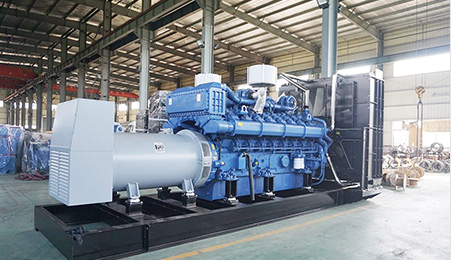
The generator set itself normally consists of a Yuchai diesel engine, an alternator, a control system, a base frame and supporting accessories. The engine provides mechanical power, while the alternator converts that power into electrical output. The final output is usually described in kW and kVA. kW represents active power available to the load, while kVA represents apparent power and is affected by power factor. A quotation should state the rated kW, rated kVA, frequency, voltage, phase arrangement, power factor, speed and duty rating so the buyer can compare technically equivalent equipment.
Mechanical requirements include a suitable foundation, correct positioning, vibration control and sufficient clearance around the set. The floor or plinth must support the operating weight of the complete assembly, including fluids and any attached accessories. The generator should be installed on a level surface, with access for inspection, filter replacement, belt checks, battery service and eventual component removal. Anti-vibration mounts or an engineered base may be required depending on the building structure and the sensitivity of nearby equipment.
Airflow is another central part of Yuchai generator set installation requirements. A diesel engine needs adequate combustion air, and the radiator needs a continuous supply of cooling air. The room design should allow cool air to enter and heated air to leave without short-circuiting back toward the radiator. In many installations, the radiator is connected to an external discharge duct or louver. The duct, flexible connection and weather protection must be designed to avoid excessive airflow resistance, because restricted airflow can increase coolant temperature and reduce performance.
Correct installation protects the generator set from operating conditions that can cause overheating, unstable voltage, excessive vibration, poor combustion or premature wear. A correctly rated engine and alternator can still perform poorly if the room lacks ventilation, the exhaust system creates excessive back pressure or the fuel supply contains contamination. Installation quality is therefore part of generator performance, not a separate issue that can be solved after delivery.
Electrical design must account for both normal running load and transient load. Motors, pumps, compressors, transformers and other inductive equipment may draw a high starting current. If the generator is selected only from the sum of running kW, the set may experience a significant voltage or frequency dip during starting. The buyer should provide motor starting methods, starting sequence, inrush information and any large nonlinear loads so the supplier can evaluate alternator capacity and transient response.
Power factor also affects sizing. A load with a lower power factor requires more kVA for the same kW. If the generator set is expected to support variable-frequency drives, UPS systems, battery chargers or other electronic loads, the alternator and control arrangement should be reviewed for harmonic content and load behavior. The project specification should identify the operating voltage, frequency, phase configuration, neutral arrangement and earthing method. These details are essential for compatibility with the site distribution system.
Safety and maintainability are equally important. The installation should include appropriate protection against accidental contact with hot surfaces, rotating components, exhaust gases and electrical terminals. Exhaust gases must be routed outdoors through a correctly supported system, with adequate clearance from air intakes, doors and occupied areas. Fuel lines and tanks should be installed according to local regulations and the project design, with attention to leakage control, ventilation, fire protection and access for inspection.
Clear documentation reduces disputes between the equipment supplier, electrical contractor and site owner. The technical quotation should distinguish standard supply from optional items such as an automatic transfer switch, remote radiator, day tank, sound-attenuated enclosure, weatherproof enclosure, battery charger, block heater, synchronizing panel or extended fuel tank. Nanning Wanjin Mechanical & Electrical can use the project data to prepare a quotation scope for Yuchai generator sets, but the final installation design remains subject to the site engineer's approval and applicable local requirements.
The most reliable approach is to convert Yuchai generator set installation requirements into a project checklist before selecting the equipment. Start by recording the total connected load, essential load, motor loads, starting sequence and expected future expansion. Separate standby loads from loads that must operate continuously. Confirm whether the generator will supply the entire facility or only selected circuits through an automatic transfer system.
Record the required output in both kW and kVA, together with voltage, frequency, phase, power factor and duty rating. Confirm whether the site uses a three-phase or single-phase distribution system and whether a neutral conductor is required. The generator output breaker, cable size, transfer equipment and downstream protection must be coordinated with the selected rating. For export projects, the destination country's electrical frequency, voltage standard and connection practices should be confirmed before production.
Ambient temperature, altitude, humidity, dust, salt exposure and enclosure location can affect generator selection. High ambient temperature and high altitude may reduce available engine or alternator performance, so derating may be required. Outdoor installations may need a weatherproof enclosure, while indoor installations require carefully designed ventilation and exhaust systems. Coastal or dusty environments may call for additional protection and a more detailed maintenance plan.
The fuel system should provide clean fuel at the required flow rate and avoid restrictions that could affect engine operation. Tank capacity should be based on the required autonomy, operating load and refueling plan. Fuel quality management is important because water, sediment and contamination can damage injection components. The system should also permit safe isolation and maintenance.
The cooling system must be matched to the selected configuration. A radiator-mounted set usually requires a dedicated air inlet and hot-air discharge route. A remote radiator or heat exchanger changes the piping and control requirements. Exhaust pipe diameter, total length, bends and silencer arrangement should be reviewed for allowable back pressure. Flexible exhaust sections help accommodate vibration, but they do not replace proper support and thermal protection.
Commissioning should verify mechanical installation, coolant and lubricant levels, battery condition, fuel supply, exhaust routing, ventilation, earthing and electrical connections. The generator should be started under controlled conditions and tested at suitable load levels. Where possible, the test should include transfer operation, alarm functions, emergency stop operation, voltage and frequency stability, battery charging and shutdown behavior.
Handover documents should include the engine and alternator data sheets, wiring diagrams, control panel information, recommended service procedures, consumable specifications and commissioning records. The buyer should also receive a clear maintenance schedule and a list of items that are excluded from the supplier's scope. These documents help the operating team identify responsibility for routine inspections, spare parts, troubleshooting and warranty-related communication.
One common mistake is selecting a generator solely by its maximum kW figure. A set that appears adequate in running conditions may be unsuitable for motor starting, sudden load acceptance or expansion. Another mistake is confusing standby and prime ratings. The buyer should confirm which rating applies to the actual duty and whether the stated output is available at the planned ambient temperature and altitude.
Insufficient ventilation is also frequently overlooked. A room may have a large opening but still fail to provide the correct airflow path. Heated radiator air can return to the intake, or the exhaust duct can create excessive resistance. The result may be high coolant temperature, derating or automatic shutdown. The ventilation design should be reviewed together with the generator dimensions, radiator airflow, duct layout and weather protection.
Exhaust and fuel systems are sometimes treated as minor accessories. Incorrect exhaust sizing can increase back pressure and affect engine operation. Poorly supported exhaust piping can transmit vibration or place stress on the engine connection. Inadequate fuel filtration, unsuitable tank placement or a lack of spill control can create operational and safety problems. These systems should be included in the quotation review and installation drawings.
Buyers should also avoid accepting an unclear quotation. A complete request for quotation should identify the required generator rating, duty, voltage, frequency, phase, enclosure type, control functions, transfer equipment, fuel autonomy, delivery destination and installation scope. It should state whether the price includes a base tank, batteries, charger, silencer, flexible connectors, exhaust pipe, circuit breaker, remote monitoring, spare parts, testing and commissioning.
Before placing an order, use this practical checklist:
Confirm the load schedule, starting requirements, future load allowance and required kW and kVA.
Confirm the Yuchai engine model, alternator model, controller, rated speed, frequency, voltage and duty classification from the technical documents.
Confirm site altitude, ambient temperature, humidity, dust level, available floor area and indoor or outdoor installation conditions.
Confirm foundation loading, vibration control, maintenance clearances, lifting access and delivery route.
Confirm radiator airflow, ventilation openings, exhaust route, exhaust back pressure limits and weather protection.
Confirm fuel quality, tank capacity, fuel piping, filtration, refueling access and applicable safety requirements.
Confirm output breaker, transfer switch, cable connections, earthing, protection settings and control interfaces.
Confirm commissioning responsibilities, load testing, training, manuals, spare parts, warranty terms and after-sales contact procedures.
A professional supplier should be able to explain how the proposed configuration relates to the project conditions and identify information that is still missing. As an authorized Yuchai dealer serving export and industrial requirements, Nanning Wanjin Mechanical & Electrical can support the technical clarification process, quotation preparation and coordination of installation, commissioning, maintenance and after-sales support within the agreed supply scope.
In summary, Yuchai generator set installation requirements cover much more than placing a generator on a concrete floor and connecting cables. They bring together load analysis, engine and alternator selection, ventilation, cooling, exhaust, fuel, electrical protection, safety and long-term maintenance. Reviewing these requirements before quotation helps prevent incorrect sizing, unexpected site modifications and avoidable operating problems. A complete technical checklist gives the buyer, supplier and installation team a shared basis for selecting and commissioning a generator set that matches the project's real conditions.
Browse server-rendered product categories, application solutions, project references and technical articles. These direct links help buyers and search crawlers reach useful pages without relying on JavaScript menus.
Compare equipment families before confirming output, duty, environment and accessories.
Start selection from critical loads, motor starting, operating hours and site derating.
Read project references, company updates and generator-set selection or maintenance articles.
Wanjin supports generator-set sales, configuration checks, quotation, installation coordination, repair and scheduled maintenance.